
Fort Smith, Arkansas
Want to see how Fort Smith compares to other top cities in Arkansas? Explore all city regulations in Arkansas. →
Fort Smith, AR
Generally Investor Friendly
Local STR Agent

STR Regulations for Fort Smith, Arkansas
Overview: Are Short-Term Rentals Allowed in Fort Smith, AR?
Yes, short-term rentals are allowed in Fort Smith, Arkansas. However, it's important to note that Fort Smith operates under a hybrid regulatory framework that combines minimal local oversight with state-level requirements. The city does not currently have comprehensive, specific short-term rental ordinances like those found in larger Arkansas cities such as Fayetteville or Hot Springs. Instead, Fort Smith relies primarily on general business licensing, zoning regulations, and Arkansas state statutes to govern short-term rental operations.
This regulatory approach creates both opportunities and challenges for investors. While the absence of stringent local restrictions provides more operational flexibility, property owners must ensure compliance with general business regulations, safety codes, and tax obligations. The regulatory landscape is evolving, and Fort Smith may implement more specific short-term rental regulations in the future as the market continues to develop.
How to Start a Short-Term Rental Business in Fort Smith
Step 1: Research and Due Diligence
Before purchasing or converting a property for short-term rental use, conduct thorough research on local zoning regulations. While Fort Smith doesn't have specific STR ordinances, general zoning laws still apply. Verify that short-term rentals are permitted in your target property's zoning district and understand any restrictions that might affect operations.
Step 2: Obtain Business Licensing
Fort Smith requires business licenses for short-term rental operations. Contact the Fort Smith Business Licensing Department to understand the specific requirements and application process. Be prepared to provide:
- Property ownership documentation or lease agreement
- Detailed property information including address and specifications
- Local contact information for property management
- Proof of liability insurance
Step 3: Ensure Safety and Building Code Compliance
All short-term rental properties must meet basic safety standards including:
- Working smoke detectors and carbon monoxide alarms
- Fire extinguishers accessible on every floor
- Proper electrical and plumbing systems
- Maximum occupancy limits based on square footage and bedroom count
- Emergency exit plans and adequate egress
Step 4: Register for Tax Collection
Register with both state and local tax authorities to collect and remit applicable taxes:
- Arkansas state sales tax (6.5% on short-term accommodations)
- Local sales taxes (if applicable)
- Any local lodging taxes that may apply
Step 5: Secure Appropriate Insurance
Standard homeowners insurance typically excludes commercial short-term rental activities. Obtain specialized short-term rental insurance that provides:
- Property coverage for dwelling and contents
- Liability protection for guest injuries
- Business interruption coverage
- Coverage for theft or damage by guests
Step 6: Establish Local Management
Designate a local contact person available to respond to issues promptly. This requirement is particularly important for out-of-state owners who cannot address emergencies or complaints directly.
Required Documents, Permits, Licenses, and Guidelines
Essential Documentation:
- Proof of Property Ownership: Deed, property tax statement, or lease agreement
- Business License: General business authorization from Fort Smith
- Insurance Certificates: Proof of adequate liability and property coverage
- Local Contact Information: Designated agent responsible for property management
- Tax Registration: State and local tax identification numbers
- Safety Compliance Certifications: Documentation of safety equipment and systems
Permits and Licenses:
- Fort Smith Business License: Required for operating any business including short-term rentals
- Safety Inspection Reports: Compliance verification from certified professionals
- Zoning Compliance Verification: Confirmation that property use aligns with zoning requirements
Operational Guidelines:
- Maximum Occupancy Limits: Based on property size and bedroom count
- Parking Requirements: Minimum off-street parking spaces
- Noise and Disturbance Policies: Adherence to local noise ordinances
- Guest Registration Records: Documentation of all rental transactions
- Emergency Contact Procedures: 24/7 availability requirements
Specific Regulations for Short-Term Rentals
City-Level Regulations (Fort Smith)
Fort Smith's current approach to short-term rentals is relatively permissive but requires compliance with several key areas:
Business Operations:
- General business licensing requirements apply
- Compliance with standard commercial operation standards
- Local contact availability requirements
- Guest registration and record-keeping obligations
Safety and Building Standards:
- Annual safety inspections may be required
- Compliance with residential fire codes
- Smoke detector and carbon monoxide detector requirements
- Fire extinguisher placement and accessibility standards
Zoning Compliance:
- Short-term rentals must align with property's zoning classification
- Residential zones may have additional restrictions
- Commercial zones typically more permissive for STR operations
County-Level Regulations (Sebastian County)
Sebastian County does not appear to have specific short-term rental regulations beyond those that apply county-wide to all commercial operations. County-level oversight primarily relates to:
- General business licensing for unincorporated areas
- Property tax assessments and collection
- Health and safety standards for commercial properties
State-Level Regulations (Arkansas)
Arkansas has adopted a localized approach to short-term rental regulation, with minimal statewide oversight beyond tax collection:
Tax Obligations:
- 6.5% state sales tax on short-term accommodations
- Local sales taxes may apply
- Income tax obligations on rental income
- Potential property tax implications
General Business Requirements:
- Business registration if operating as formal entity
- Compliance with state building and safety codes
- Adherence to consumer protection laws
- Workers' compensation requirements for employees
Limited State Preemption:
- No comprehensive statewide short-term rental licensing system
- Local governments retain significant regulatory authority
- Senate Bill 197 affects balance between property rights and local control
Contact Information for Local Authorities
Fort Smith Planning and Development Department
- Phone: (479) 784-2401
- Address: 623 Garrison Avenue, Room 206, Fort Smith, AR 72901
- Website: www.fortsmithear.gov/departments/planning-and-development
Fort Smith Business Licensing
- Phone: (479) 784-2401
- Email: businesslicensing@fortsmithmr.gov
- Address: 623 Garrison Avenue, Fort Smith, AR 72901
Arkansas Department of Finance and Administration (Tax Registration)
- Phone: (501) 682-1100
- Website: www.dfa.arkansas.gov
- Online Registration: Available through DFA website
Sebastian County Tax Collector
- Phone: (479) 785-2901
- Address: 35 S 6th Street, Fort Smith, AR 72901
- Website: www.sebastiancountyar.gov
Fort Smith Fire Marshal's Office (Inspections)
- Phone: (479) 785-4171
- Address: 1000 S 10th Street, Fort Smith, AR 72901
Links to Source Pages
-
Jaken Finance Group - Fort Smith STR Laws 2026: www.jakenfinancegroup.com/fort-smith-short-term-rental-laws-2026-a-complete-guide
-
Checkmate Rentals - Arkansas STR Laws: www.checkmaterentals.com/blog/arkansas-short-term-rental-laws
-
GoSummer - Fort Smith Vacation Rental Management: www.gosummer.com/vacation-rental-management/fort-smith-arkansas
-
Steadily - Arkansas Airbnb Laws: www.steadily.com/blog/airbnb-short-term-rental-laws-and-regulations-in-arkansas
Important Considerations for Investors
Regulatory Monitoring
Fort Smith's current permissive approach to short-term rentals may change as the market matures. The city has shown interest in developing more specific regulations similar to those implemented in Fayetteville and Hot Springs. Investors should stay informed about potential regulatory changes through:
- Regular monitoring of city council meetings and agendas
- Subscription to municipal newsletters and updates
- Participation in local business associations
Market Competition and Differentiation
The relatively open regulatory environment in Fort Smith has attracted significant investor interest. Success in this market requires:
- Professional property management and guest services
- Strategic location selection near attractions and business districts
- Competitive pricing and marketing strategies
- High-quality property standards and amenities
Financial Planning and Risk Management
The regulatory uncertainty and evolving tax environment require careful financial planning:
- Budget for potential future compliance costs
- Maintain adequate cash reserves for regulatory changes
- Consider the impact of changing tax rates on profitability
- Plan for potential insurance requirement changes
This guide provides a comprehensive overview of the current short-term rental landscape in Fort Smith, Arkansas. While the city currently maintains a relatively permissive approach to STRs, investors should be prepared for potential regulatory evolution and maintain proactive compliance strategies to ensure long-term success in this dynamic market.
Fort Smith
Market Saturation Score
Photos of Fort Smith

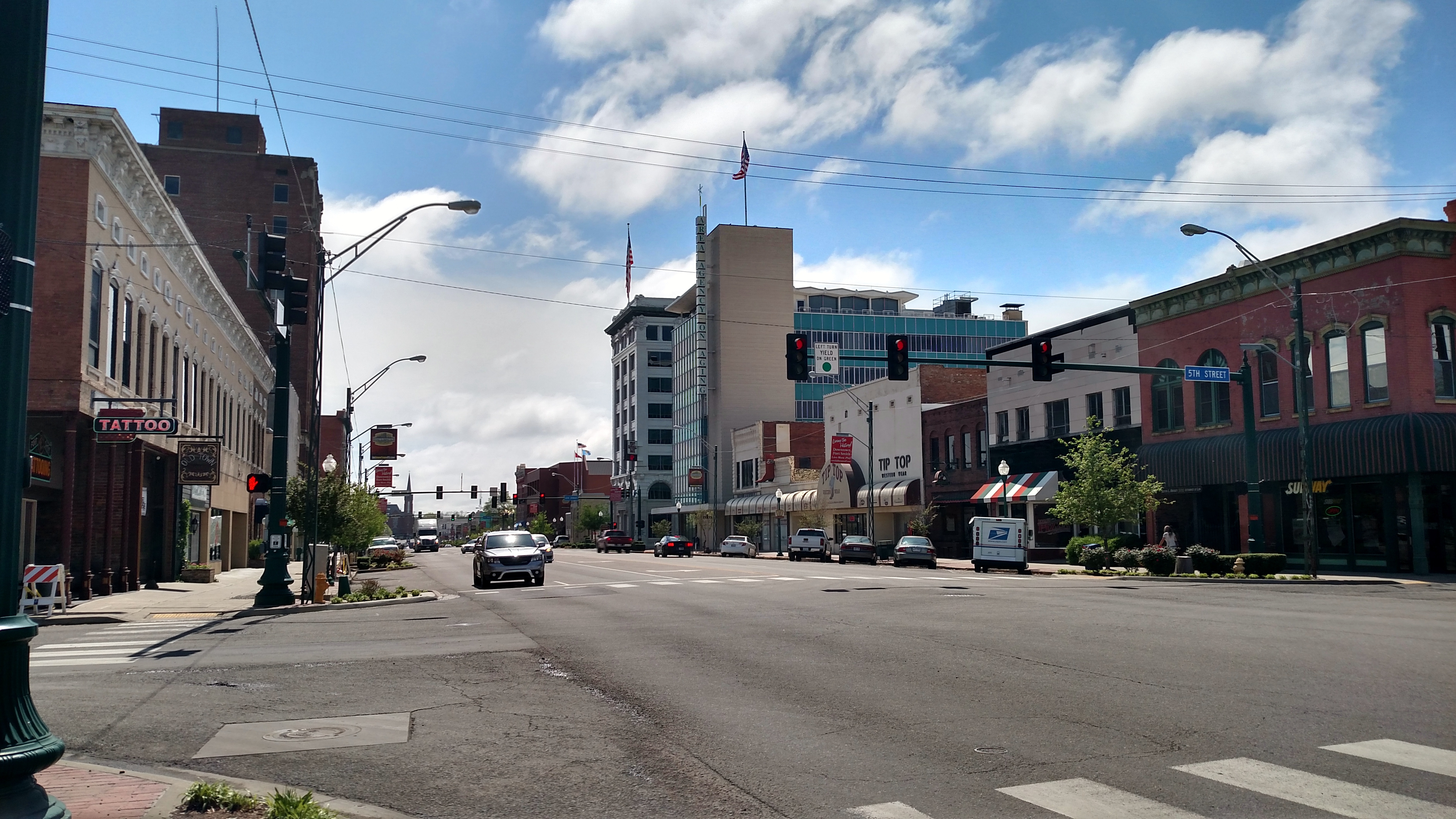
Overview of Fort Smith
Fort Smith is the third-most populous city in Arkansas and one of the two county seats of Sebastian County. As of the 2020 census, the population was 89,142. It is the principal city of the Fort Smith, Arkansas–Oklahoma Metropolitan Statistical Area, a region of 298,592 residents that encompasses the Arkansas counties of Crawford, Franklin, and Sebastian, and the Oklahoma counties of LeFlore and Sequoyah.
Fort Smith lies on the Arkansas–Oklahoma state border, situated at the confluence of the Arkansas and Poteau rivers, also known as Belle Point. Fort Smith was established as a western frontier military post in 1817, when it was also a center of fur trading. The city developed there. It became well known as a base for migrants' settling of the "Wild West" and for its law enforcement heritage, as it was the hub for white law enforcement of the adjacent Indian Territory.
The city government is led by Mayor George McGill (D), who in 2018 was elected as the city's mayor (the first African American in its history), and a city Board of Directors composed of three members elected at-large and four members elected by ward.
Want to know if a property in Fort Smith is a good investment?
Enter an address to get instant revenue potential and comps.