
Palm City, Florida
Want to see how Palm City compares to other top cities in Florida? Explore all city regulations in Florida. →
Palm City, FL
Generally Investor Friendly
Local STR Agent
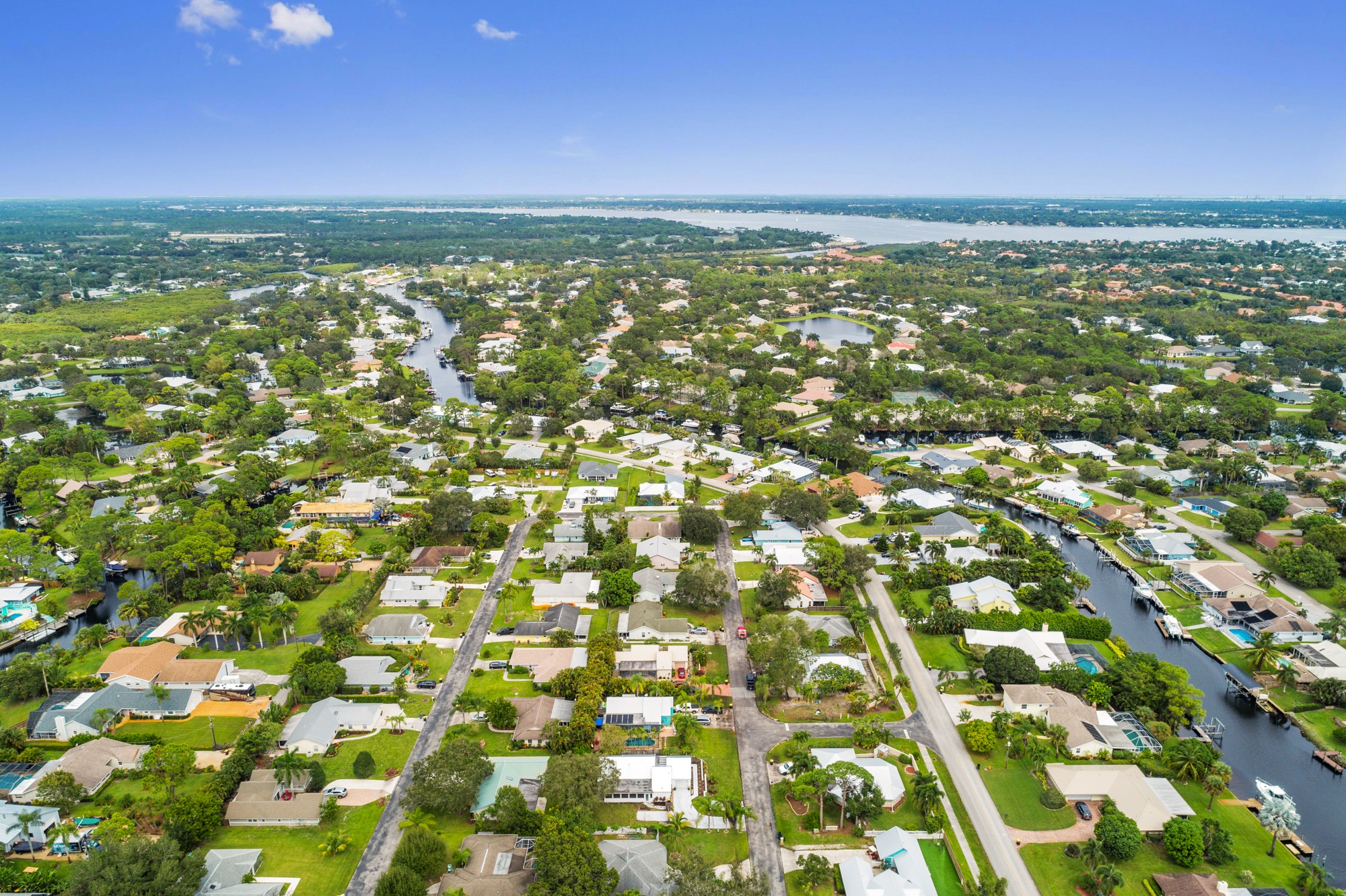
STR Regulations for Palm City, Florida
Overview: Are Short-Term Rentals Allowed in Palm City, FL? Short-term rentals are allowed in Florida, including the Palm City market, provided the operator obtains the required state license from the Florida Department of Business and Professional Regulation (DBPR) and complies with county-level tax and business receipt requirements. Palm City does not publish separate, city‑specific STR regulations in the provided sources; as a result, investors should expect to comply with state law and Martin County (Palm City’s county) ordinances and tax processes. Because detailed Martin County STR rules are not present in the provided content, this guide includes statewide Florida requirements and uses Palm Beach County sources as a county‑level reference model. Always verify Martin County’s current rules and fees directly with county officials before listing or operating.
How to Start a Short-Term Rental Business in This Market
- Verify legal eligibility
- Confirm the property can be used as a transient public lodging establishment under Florida law (DBPR).
- Review HOA, condo association, or lease terms; short-term renting may be restricted regardless of state or county rules.
- Classify your license type with DBPR
- Condominium or cooperative units, and single‑family, two‑family, or four‑family dwellings can qualify if rented to guests more than three times in a calendar year for periods less than 30 days or 1 calendar month, or if advertised/held out to the public as a place regularly rented to guests.
- If renting only a room(s) that does not qualify as public lodging, you may be exempt from the DBPR license. Confirm with DBPR.
- Apply for DBPR vacation rental license
- Choose the correct application:
- Condo application: for units in a condominium or cooperative.
- Dwelling application: for single‑family, two‑family, or four‑family houses or dwelling units.
- Prepare the required information (see “Required documents” below).
- Submit online; pay the applicable fee at the end of the process.
- DBPR generally does not require an opening inspection for vacation rentals. A Certificate of Balcony Inspection is required every three years for facilities that are 3+ stories or have balconies 17+ feet above grade (for those not shared by the entire building).
- Establish local tax and business compliance
- Obtain your Tourist Development Tax (TDT) account number from the county tax collector.
- Obtain a Business Tax Receipt (BTR) for each listing.
- Register your platform listing(s) with the county where required.
- If your property is in a county that does not collect TDT directly (varies), report and remit TDT using state form DR‑15TDT to the Florida Department of Revenue.
- Set up operations
- Implement safety measures and obtain liability insurance (see “Required documents” below).
- Designate a responsible agent available 24/7 to respond to complaints or emergencies.
- Comply with occupancy limits, and post rules clearly for guests.
- File and remit taxes monthly
- TDT returns are due by the 1st of each month for the prior month’s rental activity. Late returns (after the 20th) may be considered delinquent and subject to penalties.
- File even $0 returns for months with no rental activity.
- Renew licenses and registrations annually
- DBPR license renewals are required annually.
- BTR renewals are typically annual online.
- Certificate of Balcony Inspection renews every three years, as applicable.
- Platform compliance
- For Airbnb hosts: upload your TDT and BTR numbers to your listing(s) to complete local registration.
Required Documents, Permits, Licenses, and Guidelines
-
DBPR Vacation Rental License (Condo or Dwelling)
- Online application and fee payment (by credit card).
- Owner’s main address (address of record).
- Rental location address(es); one complete address per unit.
- Resort classification (Collective: up to 75 units in one district; Group: multiple units in the same building/complex; Single: 1–4 units).
- Disabled Veteran Exemption (if applicable): provide DD214 and disability documentation.
- Certificate of Balcony Inspection (as applicable, every three years).
- Human trafficking awareness training acknowledgment for housekeeping/front desk staff.
- Apply via:
- Condo application portal.
- Dwelling application portal.
-
Local TDT Account
- Proof of identity (driver’s license, Social Security number, EIN, or federal ID).
- Property Control Numbers (PCN) for each listing.
- Create account via county TDT portal; complete TDT application online.
- Obtain TDT account number for monthly filing/remittance.
- County TDT portal reference (Palm Beach County model).
-
Business Tax Receipt (BTR)
- BTR application per listing.
- Application fee per listing.
- Submission options:
- In person: Government Center, 301 N. Olive Ave, 3rd FL, West Palm Beach, FL 33401 (Mon–Fri 8:15 AM–5:00 PM).
- Mail: Tax Collector, Palm Beach County • Attn: TDT • P.O. Box 3715 • West Palm Beach, FL 33402‑3715.
- Renew annually, online.
-
Insurance and Safety
- Liability insurance with minimum $1,000,000 per occurrence, naming the owner, responsible agent, and the county as additional insured (per Palm Beach County guidance).
- Fire safety inspection verifying smoke detectors, CO detectors, fire extinguishers, and functioning HVAC (per Palm Beach County guidance).
-
State Tax Filings (if required by your county)
- DR‑15TDT (Transient Rental Taxes—Tourist Development).
- DR‑15DSS (Sales and Use Tax—state and county surtaxes).
-
County References (for TDT/BTR process and ordinances)
- Tourist Development Tax overview (Palm Beach County model).
- Short‑term rental ordinance and zoning references (Palm Beach County model).
Specific Regulations for Short-Term Rentals: State, County, and City State (Florida) Regulations
- License requirement: DBPR Vacation Rental License is required for condo units or dwellings rented to guests more than three times in a calendar year for stays less than 30 days or 1 calendar month, or if advertised/held out to the public as a place regularly rented to guests.
- Exemptions: Single room or rooms that do not qualify as public lodging may not require a DBPR license.
- Inspections: Opening inspections are not generally required for vacation rentals. Certificate of Balcony Inspection is required every three years for facilities 3+ stories or with balconies 17+ feet above grade (for non‑shared structures).
- Taxes: State sales tax of 6% applies; plus any county surtax. TDT requirements vary by county; if county does not collect TDT, use state form DR‑15TDT to report/remit.
- Recordingkeeping: Monthly TDT returns (including $0 months) and annual DBPR license renewal.
County Regulations (Palm Beach County model—verify Martin County requirements for Palm City)
- Allowed use: No zoning restrictions for short‑term rentals; compliance with safety and building codes is required to operate.
- License/permit: Short‑Term Rental License required per property; fees range from $245 to $1,545 depending on units/bedrooms.
- Occupancy limits: Maximum two persons per bedroom, plus two additional persons per unit, up to 12 persons total.
- Inspections: Fire safety inspection required (smoke/CO detectors, extinguishers, HVAC).
- Responsible agent: Must designate a 24/7 responsible agent for emergencies/complaints.
- Insurance: Minimum $1,000,000 liability coverage per occurrence, naming owner, responsible agent, and county as additional insured.
- Duration/renewal: One‑year license; renew annually with same fee as initial application.
- TDT: 6% of total taxable rental receipts; collected from guests and remitted via TDT account; returns due monthly.
- Platform remittance: Airbnb/VRBO may collect and remit taxes on the host’s behalf, but hosts must ensure compliance and accurate filing.
- Contact: Zoning Division (561) 233‑5200; PZBPlanning@pbcgov.org (Palm Beach County model).
City Regulations (Palm City)
- No city‑specific STR regulations are provided in the sources. Operate under Florida state rules and Martin County ordinances and tax processes. Because city‑specific rules were not provided, investors should contact Martin County for current requirements before listing.
Taxes and Filing Requirements
- TDT (tourist development tax): Typically 6% of total taxable rental receipts in the provided county model.
- Monthly filing due by the 1st of each month for prior month’s activity.
- Returns after the 20th may be delinquent and subject to penalties.
- File even $0 returns for months with no activity.
- State sales tax and county surtax:
- State sales tax is 6%.
- County surtax rates vary; use form DR‑15DSS for sales tax and surtax filings if the county requires state filings rather than county collection.
- DR‑15TDT: Use this state form to report/remit transient rental taxes when the county does not collect TDT directly.
- Documentation retention: Keep all filings, licenses, inspections, and communications on file for audit purposes.
Compliance Risks and Enforcement
- Operating without a DBPR license or county permits can result in fines, legal action, and removal of listings.
- Late or missed TDT returns can trigger penalties and interest.
- Failure to meet insurance, safety inspection, or responsible agent requirements can lead to citations.
- HOA/condo restrictions may supersede local law; non‑compliance can result in civil enforcement.
- Keep current with state and county changes; regulations evolve and differ by jurisdiction.
Contact Information
-
Florida DBPR (Vacation Rental Licensing)
- Phone: Not provided in sources.
- Online application: see DBPR application links (Condo and Dwelling) below.
- Notes: Use the correct application for condo vs. dwelling classification.
-
County Tax Collector / TDT (Palm Beach County model—contact Martin County for Palm City)
- Phone: (561) 355‑3547 (Palm Beach County model)
- Email: ClientAdvocate@pbctax.com (Palm Beach County model)
- TDT portal (Palm Beach County model): provided below.
- In‑person: 301 N. Olive Ave, 3rd FL, West Palm Beach, FL 33401 (Mon–Fri 8:15 AM–5:00 PM)
- Mail: Tax Collector, Palm Beach County • Attn: TDT • P.O. Box 3715 • West Palm Beach, FL 33402‑3715
-
Zoning Division (Palm Beach County model—verify with Martin County)
- Phone: (561) 233‑5200
- Email: PZBPlanning@pbcgov.org
Links to Source Pages
- DBPR Vacation Rental License (Condo Application): see DBPR site (Condo application portal).
- DBPR Vacation Rental License (Dwelling Application): see DBPR site (Dwelling application portal).
- Certificate of Balcony Inspection (DBPR Form HR 7020): see DBPR form link.
- Florida Department of Revenue Sales and Use Tax (state sales tax): see FL DOR sales tax page.
- DR‑15DSS (Sales and Use Tax—State and County Surtax) form: see DR‑15DSS PDF.
- DR‑15TDT (Transient Rental Taxes—Tourist Development) form: see DR‑15TDT PDF.
- Palm Beach County TDT portal (model): see county TDT portal.
- Tourist Development Tax overview (Palm Beach County model): see county TDT overview page.
- Palm Beach County short‑term rental ordinance (Municode): see ordinance link.
- Palm Beach County Land Development Code Chapter 12 (Zoning reference): see code link.
- Palm Beach County Property Appraiser PCN lookup: see PCN information page.
- Airbnb Help: Palm Beach County STR requirements: see Airbnb help article.
Important Notes for Investors
- This guide relies exclusively on the provided content. Palm City is in Martin County; the sources do not include Martin County’s specific STR rules. Treat the Palm Beach County information as a model and verify Martin County requirements directly with county officials before listing.
- City‑specific regulations for Palm City were not provided and are therefore not included.
- Ensure HOA/condo governance permits short‑term rentals; private restrictions can bar STR activity regardless of public law.
Palm City
Market Saturation Score
Photos of Palm City
Overview of Palm City
Palm City is an unincorporated area and census-designated place (CDP) in Martin County, Florida, United States. The population was 25,883 at the 2020 census. It is part of the Port St. Lucie Metropolitan Statistical Area.
Want to know if a property in Palm City is a good investment?
Enter an address to get instant revenue potential and comps.