
Carlyle, Illinois
Want to see how Carlyle compares to other top cities in Illinois? Explore all city regulations in Illinois. →
Carlyle, IL
Very Investor Friendly
Local STR Agent
STR Regulations for Carlyle, Illinois
Overview: Are STRs allowed in Carlyle, IL?
- Allowed. Clinton County’s codified ordinances (the county that governs Carlyle) do not include any ban on short-term rentals. The Code contains county-level business regulations and zoning administration but no STR‑specific prohibition. No city-level ordinance in the provided materials restricts STRs; therefore, STRs are permissible subject to general business licensing, zoning, health and safety, and tax compliance.
How to start a short-term rental business in this market
- Confirm zoning and use compliance
- Verify the property’s zoning district allows lodging or “public accommodations.” The Zoning Administrator administers zoning, floodplain, and subdivision codes.
- If renting a room within an owner‑occupied dwelling, typical zoning interpretations allow the principal use to continue; renting entire dwellings or adding a separate STR unit may require a zoning review or special use.
- Apply for any required business license/permit
- County-level: Chapter 7 (Business Regulations) exists in the Clinton County Code, and Section 1‑1‑5 confirms the Code applies within county jurisdiction. Contact the County Clerk or Zoning Administrator to confirm whether a business license, public accommodations registration, or similar local approval is required.
- City-level (Carlyle): No city‑specific STR license is identified in the provided content. If Carlyle has an municipal business license, obtain it.
- Meet health and safety requirements
- Comply with the Health Regulations (Chapter 18) and public safety provisions (Chapter 30).
- Ensure smoke and carbon monoxide detectors, posted emergency egress, and basic habitability standards appropriate for transient guests.
- Register for taxes
- State sales tax: Register with the Illinois Department of Revenue (IDOR). Short‑term lodging is taxable under the state’s Use Tax Act.
- County hotel/motel tax: Clinton County has a Motel Tax (see Chapter 36, “Taxation”). Register, file returns, and remit as required.
- Local municipal taxes (if any in Carlyle) should be confirmed before opening.
- Establish internal policies
- Adopt guest rules covering occupancy, noise, parking, smoking, pets, and trash. Maintain a guest handbook and 24/7 contact for issues.
- Document cleaning, turnover, and maintenance standards; require vendor compliance with county health guidance where applicable.
- Insurance and taxes
- Obtain adequate liability and property coverage; consider short‑term rental endorsements or specialty policies.
- Track income and expenses for federal and state reporting; comply with sales and hotel/motel tax filing deadlines.
Required documents, permits, licenses, and guidelines
- Zoning verification letter or approval (contact Zoning Administrator).
- Business license or public accommodations registration (if applicable under Chapter 7; confirm with County Clerk/Zoning Administrator).
- Health and safety compliance acknowledgment (Chapter 18 and Chapter 30 guidance).
- State sales tax registration (IDOR) and any required state filings.
- County hotel/motel tax registration/returns (Chapter 36).
- Insurance coverage (general liability, property, and STR rider/endorsement).
- Guest policies, house rules, and emergency contact procedures.
Specific regulations affecting STRs: city, county, and state
- City (Carlyle): No city‑specific STR ordinance is identified in the provided content. Proceed under county rules unless city requirements are enacted.
- County (Clinton County):
- Business Regulations (Chapter 7) governs local business operations. If a business license or public accommodations registration is required, this chapter provides authority.
- Zoning Code (Chapter 40) governs land use and districts. The Zoning Administrator administers zoning, floodplain, and subdivision compliance. STRs must conform to the district’s permitted or special uses.
- Health Regulations (Chapter 18) set standards for sanitation and public health relevant to transient lodging.
- Public Safety (Chapter 30) covers emergency management, public protection, and related safety requirements applicable to lodging operations.
- Taxation (Chapter 36) includes the Motel Tax, which applies to short‑term lodging operators; you must register, collect, and remit.
- General Penalty (Section 1‑1‑20) authorizes fines for violations of county ordinances.
- State (Illinois):
- Sales/Use Tax: Short‑term lodging is taxable; register and collect state sales tax on room rentals via IDOR.
- Hotel Operators’ Occupation Tax (35 ILCS 145/): Operators with gross receipts from lodging must register and pay this tax to the state; returns are generally filed through IDOR.
- Hotel Tax (35 ILCS 145/3): Imposes an additional tax on lodging; state collection/remittance is required.
- Local Hotel Tax: Clinton County has a countywide Motel Tax; operators must also comply with county filing/remittance.
- Health/Safety: While not detailed in the provided code, Illinois law generally requires safe premises, posted egress plans, and compliance with fire and building safety standards for transient lodging.
- Registration/Tax Remittance: Under state law, lodging providers generally must register with the Department of Revenue and file returns for state sales tax and the Hotel Operators’ Occupation Tax.
Contact information (local authority)
- Clinton County Zoning Administrator
- Office: Zoning Department (administering zoning, floodplain, and subdivision)
- Note: Appointed by County Board Chairman with County Board consent; primary point for zoning and use compliance
- Clinton County Clerk (licensing/business filings)
- Mary Rakers, County Clerk
- Location: Clinton County Courthouse, Carlyle, IL
- The Clerk’s office issues various county licenses/permits; confirm whether a business license/registration is required for lodging
- State of Illinois – Department of Revenue (tax registration/filings)
- Website: tax.illinois.gov
Links to source pages (as provided)
- Clinton County, Illinois – Complete Code of Ordinances (2019 edition): www.clintonco.illinois.gov/wp-content/uploads/COMPLETE-CODE.pdf
- Illinois Department of Revenue (sales tax, hotel taxes): tax.illinois.gov
Notes for investors
- The county code does not provide an explicit STR ordinance; compliance rests on general business, zoning, health/safety, and tax frameworks.
- If the property is within Carlyle’s municipal limits, confirm with the City Clerk whether city-level business licensing or taxes apply in addition to county requirements.
- Always verify current requirements with the Zoning Administrator and County Clerk before opening.
Carlyle
Market Saturation Score
Photos of Carlyle
Overview of Carlyle
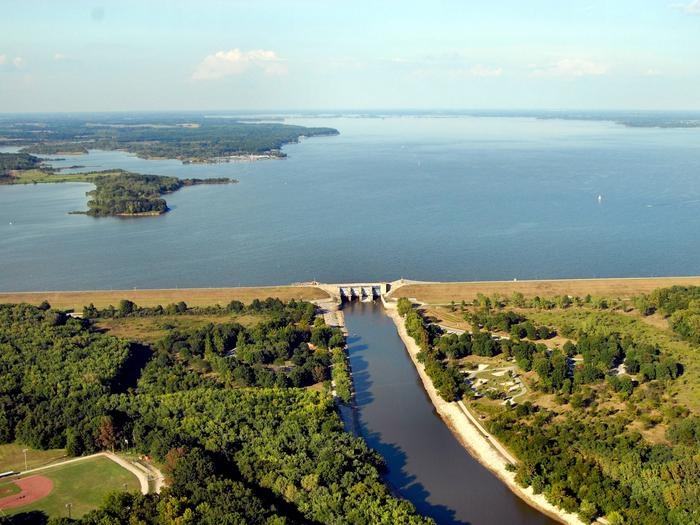
Carlyle is a city in Clinton County, Illinois, United States. The population was 3,253 at the 2020 census. It is the county seat of Clinton County.Carlyle is located approximately 50 miles (80 km) east of St. Louis, Missouri, and is home to Illinois' largest man-made lake, Carlyle Lake, and to the General Dean Suspension Bridge, a suspension bridge that is the only one of its kind in Illinois and crosses the Kaskaskia River.
Want to know if a property in Carlyle is a good investment?
Enter an address to get instant revenue potential and comps.