
Springfield, Illinois
Want to see how Springfield compares to other top cities in Illinois? Explore all city regulations in Illinois. →
Springfield, IL
Generally Investor Friendly
Local STR Agent

STR Regulations for Springfield, Illinois
Overview: Are Short-Term Rentals Allowed in Springfield, Illinois?
Yes. Short-term rentals (rentals of 31 days or fewer) are allowed in Springfield, Illinois, but they are regulated at multiple levels. As of 2026, Springfield follows a layered compliance framework: state-level taxation and definitions apply statewide; local Springfield ordinances govern licensing, safety, operations, and zoning; and certain buildings require an Illinois Department of Public Health (IDPH) license.
Important detail for 2026: Springfield mandates a city-issued Short-Term Rental Operating License for any STR listed on platforms such as Airbnb or VRBO. Hosts must display the license number in listings, maintain at least $1 million in liability insurance, pass safety inspections, and comply with occupancy and operational limits. The city also enforces a 10% density cap per block and collects taxes. This licensing and safety structure establishes a regulated pathway for professional STR operators while curbing neighborhood over-concentration.
Where city-specific rules do not exist, state-level Illinois rules apply, including taxation and building licensing thresholds. Investors should expect an evolving, more structured regulatory environment through 2026 and beyond, with increased emphasis on automation, compliance monitoring, and documentation.
How to Start a Short-Term Rental Business in Springfield, IL
The following process positions new investors to launch legally, minimize risk, and scale efficiently under Springfield’s framework.
-
Due Diligence and Zoning Verification
- Confirm the property is located in a zone where STRs are permitted as-of-right or as a conditional use (residential zones R-1 to R-4 and selected commercial/mixed-use corridors).
- Validate the 10% density cap at the block level. If more than 10% of units on the block are STRs, additional approvals or operations may be restricted.
- For properties in historic districts, secure Historic Preservation Commission approvals as required.
-
Secure Insurance
- Obtain commercial general liability coverage of at least $1 million and maintain homeowner’s/hazard insurance as applicable.
- Consider business interruption and property coverage tailored to STR operations.
-
Complete Safety Inspections
- Install and verify:
- Smoke detectors in every bedroom and common area.
- Carbon monoxide detectors within 15 feet of sleeping areas.
- Fire extinguishers on each floor.
- Clear egress routes and maximum occupancy signage.
- Schedule inspections before operating and annually thereafter.
- Install and verify:
-
Apply for the Springfield STR Operating License
- Submit through the City of Springfield Business Licensing Department:
- Proof of ownership or management authority.
- Liability insurance certificate.
- Safety inspection reports.
- Listing and contact details.
- Fees (indicative): $150 for properties with fewer than four bedrooms; $250 for larger properties.
- Display the license number prominently in all listings (Airbnb, VRBO, direct booking sites).
- Submit through the City of Springfield Business Licensing Department:
-
Register for State and Local Taxes
- Register with the Illinois Department of Revenue (IDOR) for the Hotel Operators’ Occupation Tax and other applicable lodging taxes.
- Collect and remit combined taxes estimated at 14.5% on gross rental income:
- State sales tax: 6.25%
- Local sales tax: 3%
- Tourism tax: 4%
- STR impact fee: 1.25%
- File returns monthly, regardless of activity (“zero dollar” filings if no rentals occurred), and pay by the 20th of the following month.
-
Operational Setup
- Implement guest screening, house rules, and 24-hour contact posting.
- Enforce occupancy limits (two guests per bedroom; maximum 12 guests total) and parking caps (two vehicles per rental).
- Adhere to quiet hours and noise ordinances (typically 10 PM to 7 AM).
- Use a digital permit-tracking and tax remittance system to manage compliance.
-
Launch and Monitor Compliance
- List your property with the license number in the title and description.
- Maintain guest logs and all compliance records.
- Monitor regulatory updates and attend city meetings as policies evolve.
Required Documents, Permits, Licenses, and Safety Guidelines
Mandatory licensing and documents:
- Springfield Short-Term Rental Operating License (City of Springfield Business Licensing Department).
- Proof of property ownership or management authorization.
- Commercial general liability insurance certificate (≥ $1 million).
- Safety inspection certificates (smoke/CO detectors, fire extinguishers, egress).
- Guest occupancy limits and emergency contact signage posted on-site.
- Listing registration including license number, local contact information, and guest policies.
Safety requirements checklist:
- Smoke detectors in each bedroom and common area.
- Carbon monoxide detectors within 15 feet of sleeping areas.
- Fire extinguishers accessible on each floor.
- Posted emergency contact information and maximum occupancy limits.
- Clear, unobstructed egress routes; compliant window egress where applicable.
State-level building licensing:
- If renting two or more units in a building that has four or more units (e.g., condos/apartment buildings), IDPH licensing is required. This includes application submission, inspections, and periodic renewals.
Ongoing obligations:
- Annual license renewal with updated insurance and inspection documentation.
- Monthly tax filings and remittances to IDOR and applicable local authorities.
- Quarterly or annual compliance reviews (as needed by city).
Specific Regulations: City of Springfield, Sangamon County, and State of Illinois
City of Springfield (municipal):
- Licensing: Mandatory Short-Term Rental Operating License via the Business Licensing Department.
- Insurance: Minimum $1 million liability coverage.
- Safety inspections: Required pre-operation and annually thereafter.
- License display: Must be shown in all listings and marketing materials.
- Fees: Approximately $150 (≤3 bedrooms); $250 (4+ bedrooms).
- Occupancy and parking:
- Two guests per bedroom; maximum 12 guests regardless of size.
- Maximum two vehicles per rental.
- Density: Maximum 10% STR units per block.
- Noise and operations: Quiet hours typically 10 PM–7 AM; 24-hour contact posting required; neighbor complaint response within 24 hours.
- Historic districts: Additional review/approval through the Historic Preservation Commission.
Sangamon County (county-level):
- County-level STR-specific regulations were not detailed in the provided sources. Where county rules exist, they may include additional taxes or operational conditions. Investors should confirm with the County Clerk or Treasurer for lodging taxes and any permit requirements not superseded by city rules.
State of Illinois:
- Definition: STR is a rental of 31 days or fewer.
- IDPH licensing: Required for operators renting two or more units in buildings with four or more units.
- Hotel Operators’ Occupation Tax (HOOT): 5.98–6.17% on accommodations ≤29 nights; collected by hosts or platforms (Airbnb often collects on behalf of hosts in participating jurisdictions).
- Filing: Register with IDOR; file monthly; remit taxes due by the 20th of the following month.
- “Zero dollar” returns: Required even if no rentals occurred during the filing period.
- Penalties and Voluntary Disclosure: Late filings and unpaid taxes can result in fines and interest. The Illinois Voluntary Disclosure Agreement (VDA) can reduce penalties for prior non-compliance.
- Local/municipal taxes: Additional city/county lodging taxes may apply, varying by jurisdiction.
Taxes and Fees
Taxes overview:
- Springfield hosts must collect and remit a combined lodging tax estimated at 14.5%:
- Illinois Hotel Operators’ Occupation Tax: 5.98–6.17%
- State sales tax: 6.25%
- Local sales tax: 3%
- Tourism tax: 4%
- STR impact fee: 1.25%
- Income tax: STR income is subject to federal and Illinois income tax. Maintain detailed expense records (maintenance, management, utilities, marketing) for deductions.
Filing and remittance:
- Register with the Illinois Department of Revenue for HOOT and applicable local taxes.
- File returns monthly by the 20th of the following month; remit amounts due.
- File “zero dollar” returns when no rentals occurred to maintain compliance status.
- Late payments incur penalties and interest; consider a VDA if prior non-compliance is identified.
License fees (indicative):
- Springfield STR Operating License: ~$150 (≤3 bedrooms); ~$250 (4+ bedrooms).
Optional tax considerations:
- If a platform (e.g., Airbnb) collects certain taxes on your behalf in your jurisdiction, verify what has been collected and what remains your responsibility.
Contact Information (City of Springfield and State of Illinois)
City of Springfield
- Business Licensing Department (Short-Term Rental Operating License)
- Planning and Economic Development Department (Zoning, Historic Preservation)
- City of Springfield (General Municipal Information)
- Website: www.springfield.il.us
Illinois Department of Revenue (Tax Registration and Filing)
- Website: www2.illinois.gov/rev/Pages/default.aspx
- Online registration and filing for Hotel Operators’ Occupation Tax and related lodging taxes.
Note: Phone and email contacts were not provided in the sources. Use the official websites above for current phone numbers, email contacts, and application portals.
Links to Source Pages
- Springfield Short-Term Rental Laws 2026: A Complete Guide — Jaken Finance Group
- Airbnb Rules in Illinois: Laws, Taxes, and Regulations — Hostaway
- Illinois Short-Term Rental Laws — O’Flaherty Law
- Airbnb & Short Term Rental Laws and Regulations in Illinois — Steadily
Investor Notes and Strategic Implications (2026 Outlook)
- Professionalization: Expect higher barriers to entry (licensing, insurance, safety) and increased compliance oversight. Well-documented, compliant operators typically achieve higher occupancy and average daily rates.
- Technology and monitoring: Automated compliance monitoring, digital permitting, and tax remittance systems will expand through 2026. Adopt systems early to reduce administrative burden and audit risk.
- Zoning focus: Favor properties in zones designated for STRs or designated tourism corridors; verify density caps at the block level before acquisition.
- Legal and tax support: Consult qualified real estate and tax professionals to align your operating structure with evolving local and state obligations. Use available resources (e.g., IDOR guidance) and consider professional tax services to maintain monthly filings accurately.
This guide reflects the 2026 regulatory posture based on the provided sources. Always verify current city and county requirements before initiating operations, as municipalities may update ordinances, fee schedules, and inspection standards.
Springfield
Market Saturation Score
Photos of Springfield
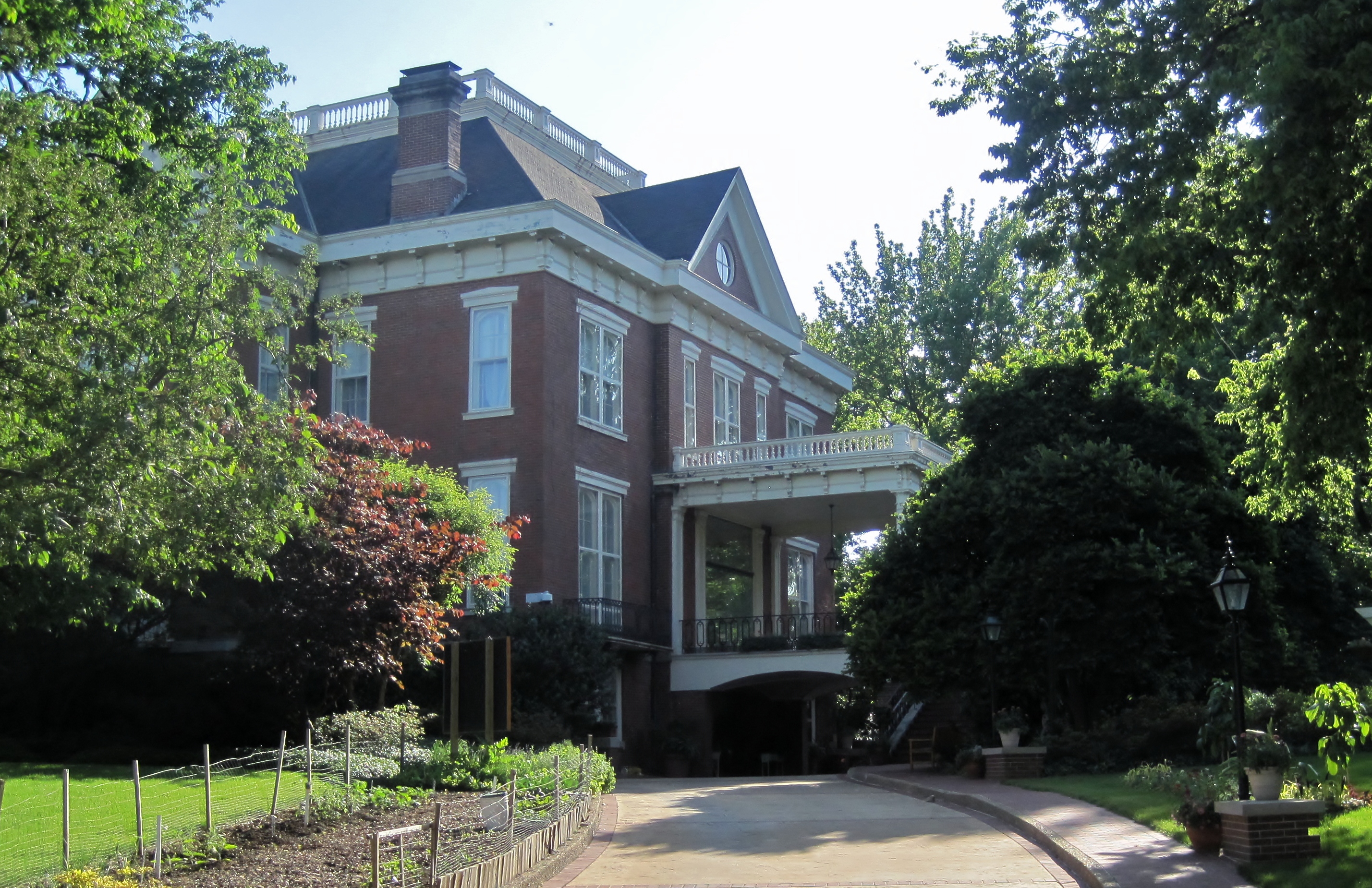
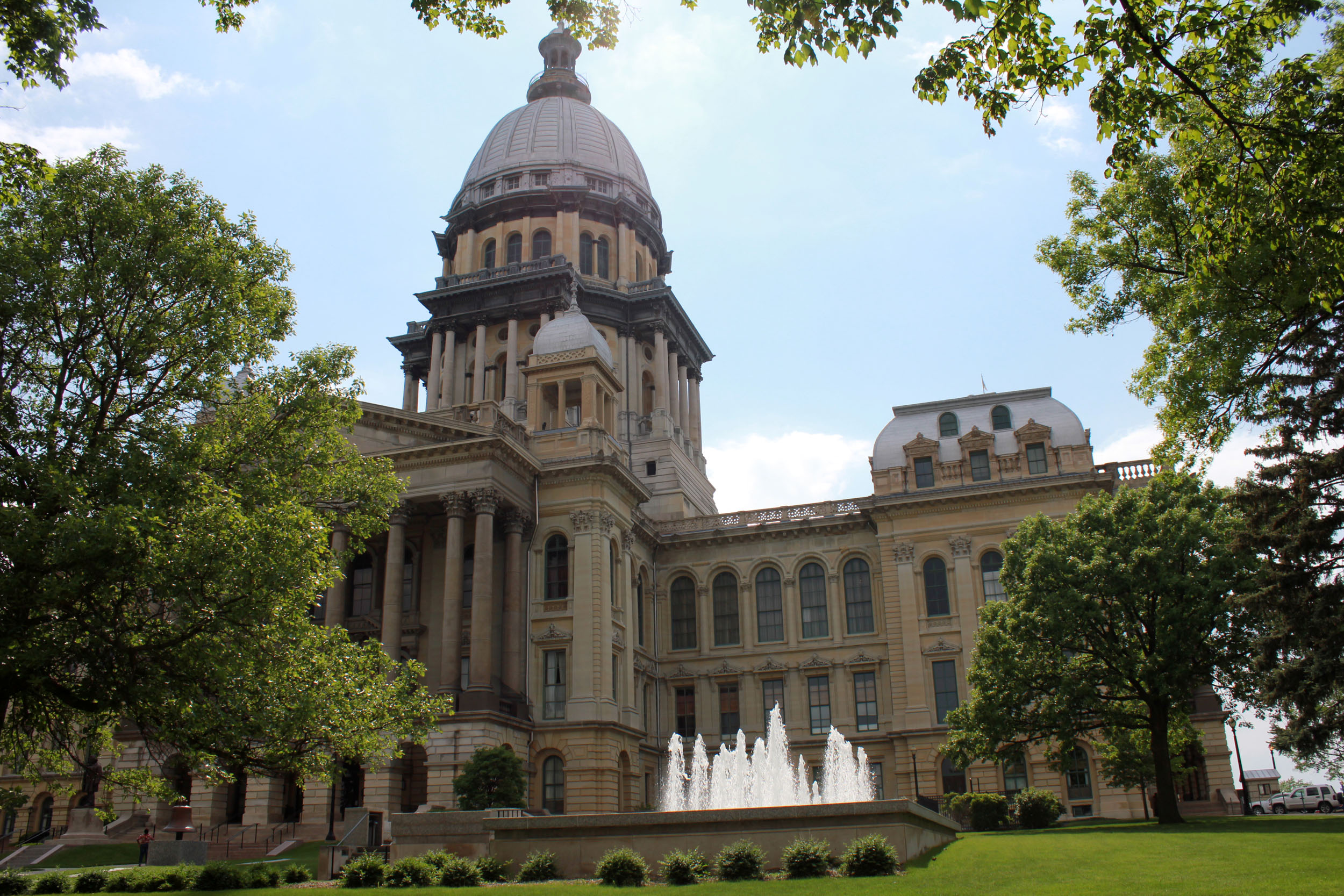

Overview of Springfield
Springfield is the capital city of the U.S. state of Illinois and the county seat of Sangamon County. The city's population was 114,394 at the 2020 census, which makes it the state's seventh most-populous city, the second largest outside of the Chicago metropolitan area (after Rockford), and the largest in central Illinois. Approximately 208,000 residents live in the Springfield metropolitan area.Springfield was settled by European-Americans in the late 1810s, around the time Illinois became a state. The most famous historic resident was Abraham Lincoln, who lived in Springfield from 1837 until 1861, when he went to the White House as President of the United States. Major tourist attractions include multiple sites connected with Lincoln including the Abraham Lincoln Presidential Library and Museum, Lincoln Home, Old State Capitol, Lincoln-Herndon Law Offices, and the Lincoln Tomb. Largely on the efforts of Lincoln and other area lawmakers, as well as its central location, Springfield was made the state capital in 1839.
Springfield lies in a valley and plain near the Sangamon River. Lake Springfield, a large reservoir owned by the City Water, Light & Power company (CWLP), provides city residents with recreation and drinking water. Weather is fairly typical for middle latitude locations, with four distinct seasons.
The city has a mayor–council form of government and governs the Capital Township. The government of the state of Illinois is based in Springfield. State government institutions include the Illinois General Assembly, the Illinois Supreme Court and the Office of the Governor of Illinois. There are three public and three private high schools in Springfield. Public schools in Springfield are operated by District No. 186. Springfield's economy is dominated by government jobs, plus the related firms that deal with the state and county governments and justice system, and health care and medicine.
Want to know if a property in Springfield is a good investment?
Enter an address to get instant revenue potential and comps.