
Seward, Nebraska
Want to see how Seward compares to other top cities in Nebraska? Explore all city regulations in Nebraska. →
Seward, NE
Generally Investor Friendly
Local STR Agent
STR Regulations for Seward, Nebraska
Overview: Are Short-Term Rentals Allowed in Seward, NE?
Yes—short-term rentals (STRs) are allowed in Seward, Nebraska. State law (Nebraska Revised Statutes § 18-1758) explicitly prevents municipalities from banning STRs outright. Local governments may regulate STRs for public health, safety, and land-use parity, but they cannot eliminate the activity. In practice, STRs operate under zoning, safety, taxation, and permitting rules that vary by jurisdiction. For investors, the key is to align your property and business model with state statutes and any local ordinances that apply in Seward (city and county). Before you purchase or list, verify zoning, occupancy limits, permitting and tax obligations, and insurance requirements. This guide consolidates what Nebraska’s law permits, what the state requires, and how to operationalize a compliant STR business in Seward.
How to Start a Short-Term Rental Business in Seward, NE
1) Property Due Diligence and Zoning Confirmation
- Confirm zoning with the City of Seward and Seward County. Nebraska law requires municipalities to apply land-use ordinances to STRs “just as they do” similar properties. In practical terms, your STR must meet the same zoning standards as other residential uses, with possible limits on location, intensity, or operations.
- Document number of sleeping areas and available parking to align with occupancy and parking rules.
- Map adjacency to neighbors and assess externalities (noise, trash, traffic) to reduce enforcement risk.
2) Choose Your Business Model and Secure Insurance
- Decide whether your STR will be:
- Owner-occupied (e.g., renting rooms), or
- Non-owner-occupied (whole-home hosting).
- Nebraska law does not mandate an insurance type; however, your lender, HOA, or local authority may require commercial-level liability coverage. Many investors obtain a landlord policy or rental dwelling coverage for liability and property protection. Hosts using third-party platforms (Airbnb/Vrbo) may use the platform’s policy as proof of coverage if required, but verify any local documentation mandates.
3) Licensing and Tax Registrations
- Register your business with the Nebraska Department of Revenue if you must collect sales and lodging taxes. As a baseline, all Nebraska hosts collecting accommodations must:
- Collect and remit state sales tax (5.5%).
- Obtain a state hotel permit and collect state lodging tax (1%).
- Depending on location, additional local sales/lodging taxes may apply (see Tax Implications below).
- Confirm whether the City of Seward or Seward County requires a local business license, STR permit, or safety inspection. Many Nebraska municipalities require licensing and/or a life-safety inspection. Treat this as mandatory until proven otherwise.
4) Life Safety and Building Compliance
- Nebraska’s statutory framework emphasizes fire, health, sanitation, and related safety codes for STRs. Even in the absence of city-specific rules, assume:
- Smoke and carbon monoxide detection
- Functional egress and fire safety
- Sanitation and waste management standards
- Coordinate any local inspection schedule with the city building/fire department after obtaining required approvals.
5) Guest Policies, Occupancy Limits, and Advertising
- Nebraska investors commonly operate with an occupancy standard of two guests per sleeping area, capped at 12 total guests. Many communities adopt similar caps. Confirm your local cap in Seward and set house rules accordingly.
- Advertising: Check local sign rules; several Nebraska jurisdictions prohibit on-site advertising signs in residential zones. If applicable, avoid yard signs and rely on online platforms.
6) Ongoing Compliance
- Remit state sales and lodging taxes monthly or on the schedule set by the Department of Revenue. Keep contemporaneous records of bookings, rates, tax collected, and remitted amounts.
- If local rules require a license display or permit number in advertisements, include it as directed.
- Maintain safety and sanitation standards, and renew permits and licenses annually.
Required Documents, Permits, Licenses, and Guidelines
- State business registration and sales tax account (Nebraska Department of Revenue).
- State hotel permit (lodging tax collection).
- Documentation of commercial-level liability insurance (if required by lender/HOA/local authority).
- Local business license/STR permit (if required by city or county).
- Life-safety inspection approval (if required by local authority).
- Property zoning verification and evidence of compliance with occupancy, parking, and sanitation standards.
- Guest policies, house rules, emergency contact information, and proof of trash/waste management arrangements.
Note: Specific local forms for Seward were not provided in the sources, but the City of Seward’s Community Development page is the expected portal for permits and zoning verification. Many Nebraska cities integrate business licensing, STR permits, and inspections; treat these as likely prerequisites for Seward operations.
Specific Regulations: Seward (City), Seward County, and State of Nebraska
State of Nebraska (Nebraska Revised Statutes § 18-1758)
- Municipalities cannot outright ban short-term rentals.
- Allowed regulations focus on public health and safety (fire and building codes, sanitation, traffic, waste).
- Equal application of land-use ordinances: STRs are to be treated comparably to similar properties.
- Permissible local measures include licensing, health/safety inspections, and tax collection oversight.
City of Seward (Seward, NE): What Investors Should Expect
Local ordinances were not provided in the source material. However, Nebraska law and typical municipal practice suggest the following will apply:
- Zoning-based eligibility: STRs must be an allowed use under zoning. Intensity may be limited.
- Licensing and permitting: Likely required through the City of Seward’s Community Development or City Clerk.
- Safety inspections: Life-safety or fire inspections may be required prior to operating.
- Parking and occupancy: Local caps and parking ratios are common. Confirm requirements with city officials.
- Advertising: City rules on signage or permit number inclusion in listings may apply.
- Bed/tourism tax: If the city or county levies a local lodging tax, you must register and collect it.
Because municipal rules can change, confirm your property’s status directly with the City of Seward Community Development before listing.
Seward County (Unincorporated Areas): What Investors Should Expect
State statutes guide unincorporated areas. Plan on:
- Zoning checks through the county planning/zoning office.
- Health and safety compliance based on county codes and state guidance.
- Tax collection at the state level; any local county lodging tax (if applicable) must be confirmed with county finance or the Department of Revenue.
Nebraska State-Level Rules Commonly Encountered by STR Hosts
- Sales tax on accommodations: 5.5% state sales tax.
- Lodging tax: 1% state lodging tax.
- Local option taxes (varies): Many Nebraska localities add local sales/lodging taxes. For example:
- Omaha: 1.5% city sales tax on accommodations; plus a 4% lodging tax in Douglas County.
- Lincoln: STRs must be licensed; hotel occupation tax applies to STR operations as updated by the city.
- Occupancy: Commonly two guests per sleeping area, capped at 12, but verify locally.
Typical Municipal Requirements in Nebraska Cities
- Business license or STR permit, and annual renewal.
- Life-safety or fire inspections prior to operation.
- Proof of commercial-level insurance may be required.
- Parking ratios and advertising restrictions in residential areas.
Given the variability, investors should assume these requirements and verify specifics with the City of Seward.
Tax Implications for Nebraska STR Hosts
- State sales tax: 5.5% on accommodation receipts.
- State lodging tax: 1% on accommodation receipts (requires a state hotel permit).
- Local option taxes:
- In Omaha: 1.5% city sales tax on accommodations; 4% lodging tax in Douglas County.
- In Lincoln: STRs must comply with licensing and hotel occupation tax rules.
- Registration and collection: Register with the Nebraska Department of Revenue, collect applicable taxes from guests, and remit on the state’s schedule. Keep detailed records of bookings, rates, and taxes collected.
Note: The source material does not indicate whether Seward (city or county) imposes additional local lodging taxes. Confirm with the City of Seward or Seward County.
Occupancy Limits and Operational Caps
- State guidance suggests occupancy at two guests per sleeping area, capped at 12 persons. Many Nebraska municipalities adopt this or a similar standard.
- In multifamily properties within residential districts, some cities limit the percentage of units that can operate as STRs (for example, at least one unit or 10% of units). Confirm whether such caps exist in Seward.
- Advertising restrictions: Some jurisdictions prohibit on-site signs in residential zones. Verify Seward’s rules before placing signage.
How to Apply for a License (Process Outline)
- Determine whether your property requires licensing through the City of Seward or Seward County. Even in the absence of a city ordinance in the source material, assume a business license and/or STR permit is required.
- Submit an application to the City of Seward Community Development or the appropriate department. Be prepared to provide:
- Property details (address, parcel number, zoning district).
- Property type and number of bedrooms to be rented.
- Listing link(s) and a brief description of operations.
- Owner/manager information and emergency contact.
- Pay associated fees (if any) for licensing, permit, and inspection.
- Schedule and complete a life-safety inspection with the building/fire department, if required.
- After approval, display the permit number where required and include it in advertisements if mandated.
- Renew annually; many cities require license/permit renewals each calendar year.
Contact Information and Source Links
Nebraska Department of Revenue (statewide taxes and hotel permits)
- Website (general): revenue.nebraska.gov
- Phone: Not provided in sources; check the Department of Revenue’s Contact page for assistance.
- Purpose: Business registration, sales tax account setup, lodging tax compliance.
Nebraska Legislature (statutory authority)
- Nebraska Revised Statutes § 18-1758
- URL: nebraskalegislature.gov/laws/statutes.php?statute=18-1758
City of Seward, NE (local permitting, zoning, and business licenses)
- Community Development Department
- Phone: Not provided in sources
- Email: Not provided in sources
- Address: Not provided in sources
- Purpose: Zoning verification, licensing/permitting, inspections, local taxes
Seward County (unincorporated county zoning)
- County Planning/Zoning
- Phone/Email/Address: Not provided in sources
- Purpose: Zoning confirmation in unincorporated areas
Airbnb/Platform Compliance
- Airbnb Help Center (Nebraska overview)
- URL: www.airbnb.com/help/article/969
- Purpose: Platform guidance and contact paths for tax remittance and compliance
City of Lincoln (municipal STR licensing example within Nebraska)
- Website: www.lincoln.ne.gov/City/Departments/Planning-Department/Development-Review/Short-Term-Rentals
- Purpose: Example of municipal licensing, zoning, and hotel occupation tax policies
This list reflects the only contact data available in the provided sources. For precise phone numbers, emails, or addresses for Seward, NE and Seward County offices, consult the official city and county websites or call the main city/county lines for routing to the correct department.
Seward
Market Saturation Score
Photos of Seward

Overview of Seward
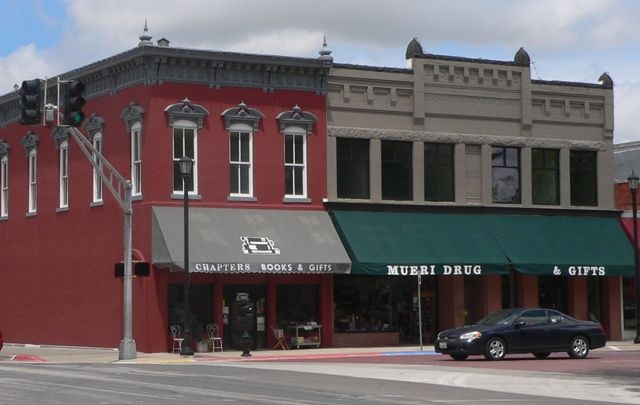
Seward is a city and county seat of Seward County, Nebraska, United States. The population was 6,964 at the 2010 census. Seward is part of the Lincoln, Nebraska Metropolitan Statistical Area.
Want to know if a property in Seward is a good investment?
Enter an address to get instant revenue potential and comps.