
Lansing, New York
Want to see how Lansing compares to other top cities in New York? Explore all city regulations in New York. →
Lansing, NY
Generally Investor Friendly
Local STR Agent
STR Regulations for Lansing, New York
Executive Overview: Lansing STR Status
Short-term rentals are permitted in Lansing, NY but operate in a regulatory gray area without specific local ordinances. The Village of Lansing Planning Board has been deliberating regulations since 2020 but has not yet implemented specific STR rules. Hosts must comply with existing zoning laws and general regulations while monitoring for future local ordinances.
Market Context & Performance
Lansing represents one of Tompkins County's premium STR markets, characterized by:
Market Performance Metrics (2024):
- Average Daily Rate Range: $235-$417 (highest in county)
- Property Types: Larger units, frequently waterfront locations
- Market Trend: 2,000+ overnight rental nights lost in 2024
- Countywide STR Revenue: $32.5 million (2024)
- Active Monthly Supply: 1,000-1,600 units countywide
- Average Occupancy: ~20% (ranging 9-36%)
Market Dynamics: Lansing properties command premium rates due to larger sizes, waterfront access, and proximity to Cornell University. The market has experienced approximately 20% supply decline since April 2024, partly attributed to Ithaca's regulations causing hosts to exit or transition to long-term rentals.
Starting an STR Business in Lansing
Legal Pathway
- Verify Zoning Compliance: Ensure your property zoning permits short-term rental use
- Property Standards: Maintain compliance with existing property codes
- Tax Registration: Register for state and local sales tax collection (mandatory as of 2025)
- Insurance: Secure appropriate liability coverage
- Monitor Local Developments: Stay informed about pending village regulations
Operational Considerations
- No Local Permit System: Currently no village-specific permitting process
- Noise Compliance: Adhere to village noise ordinances
- Neighbor Relations: Maintain good relationships due to limited enforcement mechanisms
- Competition Monitoring: Track Ithaca's regulations for potential spillover effects
Required Documentation & Compliance
Federal Requirements
- Business Registration: Register with IRS for tax identification
- 1099 Reporting: Prepare for platform-issued tax documentation
State Requirements (New York)
- Sales Tax Registration: Mandatory since February 2025 governor's signature
- State Sales Tax: Collected on all STR transactions
- Local Sales Tax: 4% rate applies to Tompkins County
Local Requirements
- Zoning Clearance: Verify STR use is permitted under current zoning
- Property Tax Compliance: Maintain current property tax obligations
- Future Permits: Monitor for village implementation of STR permit system
Regulatory Framework
Village of Lansing (Current Status)
- No Specific STR Ordinance: Operations exist in regulatory gray area
- General Zoning Laws Apply: Business use restrictions may apply
- Noise Ordinance: Village's existing noise regulations govern STR operations
- Planning Board Oversight: Monitoring and considering regulations since 2020
- Limited Enforcement: No dedicated code enforcement for STR violations
Tompkins County
- No Countywide STR Ordinance: Regulations handled at municipal level
- Tax Collection: County receives 4% local sales tax from STR operations
- Tourism Impact Monitoring: Tracking market trends and regulatory effects
City of Ithaca (Reference Framework)
Applicable to Lansing hosts only if operating in city limits. Key provisions include:
- Permit Requirement: Applications required for single/two-family homes
- Owner-Occupancy: Must be primary residence (184+ days occupancy annually)
- LLC Restrictions: Corporate entities barred from STR operations
- Effective Date: June 1, 2024
New York State
- Sales Tax Implementation: Mandatory collection effective 2025
- Platform Requirements: Airbnb/VRBO may handle collection or hosts must register individually
- Enforcement Mechanisms: State-level compliance requirements
Regulatory Risk Assessment
Current Risks
- Regulatory Uncertainty: Village may implement restrictions similar to Ithaca
- Tax Compliance: New sales tax requirements require immediate attention
- Zoning Ambiguity: Business use designation unclear under current codes
Future Considerations
- Potential Moratorium: Village may consider moratorium during regulation development
- Owner-Occupancy Requirements: May mirror Ithaca's primary residence requirements
- Permit Systems: Village likely to implement permit requirements
Contact Information
Primary Regulatory Contacts
Village of Lansing
- Website: Village of Lansing official website
- Planning Board: Meeting schedules and public comment opportunities
- Code Enforcement: For zoning and property code compliance
Tompkins County
- Tourism Program Director: Nick Helmholdt
- Phone: Available through Tompkins County offices
- Email: County tourism department
- Responsibilities: STR market data and tax collection coordination
New York State
- Department of Taxation and Finance
- Website: tax.ny.gov
- Phone: Tax assistance hotline
- Sales Tax Registration: Online registration available
Monitoring Resources
- Village Planning Board Meetings: Public forums for regulation updates
- County Legislature: Housing and Economic Development Committee updates
- State Resources: NYS Department of State for municipal law changes
Investment Considerations
Market Opportunities
- Premium Positioning: Higher average daily rates than county average
- Waterfront Advantage: Unique market positioning with lake access
- ** Cornell Proximity**: Access to university-related demand
Risk Factors
- Regulatory Changes: High probability of new restrictions
- Tax Burden: Additional compliance costs from state sales tax
- Competition: Potential supply reduction may increase competition
- Enforcement: Limited local enforcement capabilities
Strategic Recommendations
- Early Compliance: Register for all applicable taxes immediately
- Legal Review: Consult local attorney familiar with zoning and business regulations
- Documentation: Maintain thorough records of all operations and compliance
- Community Relations: Proactively address neighbor concerns
- Monitoring: Stay engaged in village planning process
Source References
- Market Data Source: Tompkins County Tourism Program Report (March 2025)
- Regulatory History: Village of Lansing Planning Board Meeting (February 2020)
- County Analysis: Ithaca Voice STR Market Report (March 2025)
- Legislative Updates: Governor Kathy Hochul STR Bill (February 2025)
- Ithaca Regulations: City of Ithaca STR Ordinance (effective June 2024)
Important Note: Regulations are evolving rapidly. This guide reflects information current as of early 2025. Investors should verify current requirements with local authorities before commencing operations.
Lansing
Market Saturation Score
Photos of Lansing
Overview of Lansing
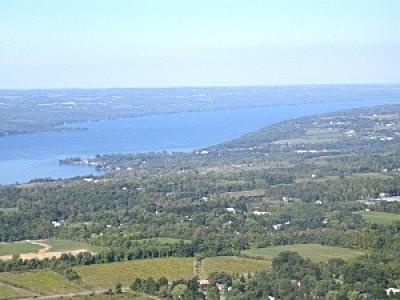
Lansing is a town in Tompkins County, New York, United States. The population was 11,565 at the 2020 census.The Town of Lansing has within it a village named Lansing. The town is located on the northern border of Tompkins County and is located just north of the City of Ithaca.
Want to know if a property in Lansing is a good investment?
Enter an address to get instant revenue potential and comps.