
Enterprise, Oregon
Want to see how Enterprise compares to other top cities in Oregon? Explore all city regulations in Oregon. →
Enterprise, OR
Challenging To Investors
Local STR Agent

STR Regulations for Enterprise, Oregon
Overview and Bottom Line
- Are short-term rentals (STRs) allowed in Enterprise, Oregon?
- Yes. The market signals indicate that STRs are permitted in Enterprise under municipal rules. According to third‑party market content for Enterprise, hosts must obtain a city business license, pass a property inspection for safety and code compliance, and collect/remit a 7% transient lodging tax (TLT) to the city quarterly. Zoning restrictions apply, and not all residential areas may allow STRs. You should verify current local allowances and any zoning constraints with the City of Enterprise before proceeding. If the city has no explicit STR‑specific ordinance, Oregon state‑level rules and tax obligations still apply statewide.
- State‑level background: Oregon does not have a uniform state law regulating STRs. Oregon imposes a statewide 1.5% Transient Lodging Tax on all short‑stay lodging under 30 nights, and cities/counties can layer additional local lodging taxes. Statewide, hosts generally must collect lodging taxes on reservations under 30 nights and remit them appropriately. Permit and inspection requirements, if any, are set by local jurisdictions. State overview only (not city‑specific): see Steadily’s state‑level article.
- Conclusion: In Enterprise, you can operate an STR if you comply with city business licensing, inspection, zoning, and tax rules. Given that the 7% TLT figure is reported by a third‑party source, confirm the exact rate, collection/remittance cadence, and any additional city taxes directly with the City of Enterprise.
How to Start an STR Business in Enterprise, Oregon (Market‑Fit Steps)
- Confirm land use and zoning eligibility
- Confirm with City of Enterprise planning or building department whether short‑term rentals are permitted at your property’s zoning designation. Third‑party content warns that STRs are not permitted in all residential areas. Ask about any conditional use permits or overlays that may apply.
- Secure a city business license and schedule the required inspection
- Apply for the city business license for your STR. The licensing process includes an inspection to verify safety and code compliance. Prepare the property with functioning smoke/CO detectors, clearly posted emergency information, safe egress, and any other local safety standards the inspector will verify.
- Register for tax collection and remittance
- Set up systems to collect lodging taxes from guests. Third‑party sources indicate Enterprise requires a 7% transient lodging tax collected from guests and remitted quarterly to the city. Confirm the exact rate, which agency receives the tax, remittance frequency, and online filing options. In parallel, register for Oregon’s statewide 1.5% Transient Lodging Tax if required by state/local administration.
- Align with Oregon state rules
- Stays under 30 nights are subject to lodging taxes state‑wide. If the city does not publish detailed STR rules, follow Oregon’s baseline: collect applicable lodging taxes on stays under 30 nights; comply with consumer protection and safety standards typical for lodging; monitor for state‑level updates.
- Finalize operations and insurance
- Adopt guest screening, house rules, quiet‑hours enforcement, and noise monitoring; create emergency procedures and contact protocols; secure appropriate STR insurance coverage. Prepare cleaning SOPs, maintenance contacts, and inventory controls for a seasonal, rural operation.
Required Documents, Permits, Licenses, and Guidelines
- City Business License (Enterprise)
- Required to operate an STR in Enterprise; application triggers an inspection for safety/code compliance.
- Zoning Clearance or Confirmation
- Written confirmation (email or zoning letter) that STRs are a permitted use at your property address.
- Transient Lodging Tax Registration and Setup
- Registration to collect and remit lodging taxes. Third‑party sources state a 7% city lodging tax with quarterly remittance; confirm the current rate and filing cadence with the City of Enterprise finance/tax department.
- Oregon State Tax Registration (if applicable)
- Register for the 1.5% state Transient Lodging Tax collection if required by the state/county administering the tax. Even if the city levies its own TLT, ensure you understand the interaction and filing mechanics.
- Safety and Code Readiness (for inspection)
- Functioning smoke and CO detectors, clear address signage, posted emergency contacts, safe egress routes, proper railings/handrails, and any local fire/life‑safety requirements.
- STR Policies and Guest Documents
- House rules covering occupancy, parties, noise, parking, smoking, pets; check‑in/Checkout instructions; emergency procedures; contact information for on‑call support; privacy and data‑handling notice.
Specific Regulations: City, County, and State
- City of Enterprise (reported)
- Business license mandatory for STRs, with property inspection to confirm safety and local code compliance.
- Transient lodging tax: 7% collected from guests and remitted quarterly to the city (third‑party source; confirm directly with the city).
- Zoning: STRs are not permitted in all residential zones; confirm eligibility before purchase or conversion.
- Regulatory posture: city‑level, with no comprehensive statewide STR statute—local rules (licensing, zoning, inspections, local TLT) apply.
- Wallowa County
- No county‑specific STR rules were identified in the provided sources. Confirm with the county if any additional rules, taxes, or health/safety requirements apply.
- Oregon State (general)
- Transient Lodging Tax: 1.5% statewide on all short‑stay reservations under 30 nights; localities can add their own lodging taxes. This baseline applies regardless of whether your city publishes STR rules.
- No statewide permit or inspection regime; municipalities set their own requirements (if any).
Tax Obligations Snapshot
- Statewide Oregon TLT: 1.5% on stays under 30 nights (baseline). Administered by state/county agencies; verify filing mechanics.
- City of Enterprise TLT: Reported 7% on short‑stay lodging, collected from guests and remitted quarterly. Confirm the rate and filing portal/payment address directly with the city.
- Local tax stacking: When both state and local lodging taxes apply, ensure accurate calculation, collection, and separate remittance as required.
Contact Information (Local Authority in Charge of STRs)
- City of Enterprise, Oregon
- Phone: verify current number with city.
- Email: verify current email with city.
- Website: verify current website and STR/licensing pages.
- Purpose: confirm zoning eligibility; obtain business license and inspection scheduling; confirm lodging tax rate and remittance.
- Wallowa County
- Phone, email, website: verify with county if any county‑level rules or taxes affect STRs.
Note: The provided sources do not include official contact details for the City of Enterprise. Contact information should be verified via the city’s official website or by calling the city main line.
Links to Source Pages
- Market‑specific summary and Enterprise STR licensing/tax context: www.gosummer.com/vacation-rental-management/enterprise-oregon
- Oregon statewide STR legal/tax overview (permits vary by city; statewide 1.5% TLT; local taxes vary): www.steadily.com/blog/airbnb-short-term-rental-laws-and-regulations-in-oregon
- Regulatory frameworks and terminology overview (contextual reference): www.airdna.co/blog/understanding-short-term-rental-regulations
- Types of restrictions and how to find local rules (contextual reference): hello.pricelabs.co/what-are-the-short-term-rental-restrictions/
Important Notes and Recommendations
- Confirm everything directly with the City of Enterprise before you buy or convert a property. Third‑party sources are helpful but not authoritative; municipal codes and tax rates can change.
- Verify the 7% lodging tax rate, tax remittance cadence, and any local add‑on assessments with the city finance/tax office. The 1.5% statewide TLT applies in addition to any local taxes.
- Inspections and safety codes can vary. Prepare for inspection early in your setup timeline and maintain continuous compliance.
- Maintain professional hosting practices: guest screening, clear house rules, noise/party prevention, on‑call response, and robust insurance to protect your investment.
This guide is based solely on the provided sources and highlights where verification is required with local authorities.
Enterprise
Market Saturation Score
Photos of Enterprise


Overview of Enterprise
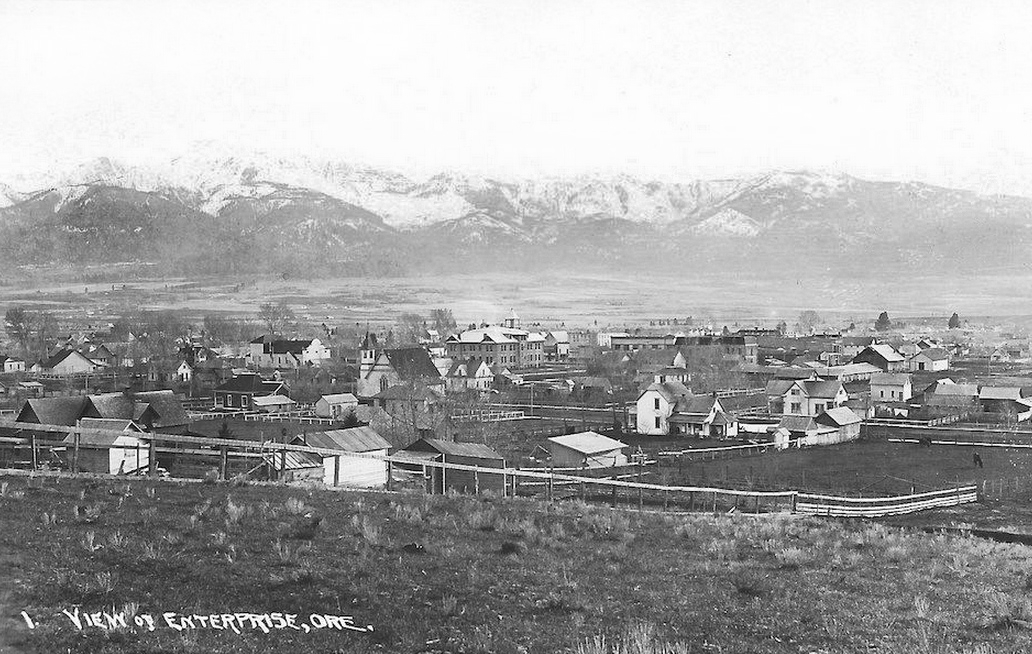
Enterprise is a city in and the county seat of Wallowa County, Oregon, United States. The population was 1,940 in the 2010 census.
Want to know if a property in Enterprise is a good investment?
Enter an address to get instant revenue potential and comps.