
Crossville, Tennessee
Want to see how Crossville compares to other top cities in Tennessee? Explore all city regulations in Tennessee. →
Crossville, TN
Very Investor Friendly
Local STR Agent

STR Regulations for Crossville, Tennessee
Overview
Short-term rentals ARE ALLOWED in Crossville, TN, with minimal city-specific restrictions currently in place. According to local reporting, Cumberland County currently has "few rules" governing short-term rentals, and specifically "no zoning" restrictions were identified by local officials. This creates a relatively unrestricted environment for STR investors, though state-level regulations and general housing laws still apply.
How to Start a Short-Term Rental Business in Crossville, TN
Step 1: Property Acquisition and Preparation
- Identify properties in desirable areas such as Fairfield Glade, Smithville, Crossville City Center, Ten Mile, or Kingston areas
- Ensure properties meet basic safety and habitability standards
- Consider proximity to attractions like Cumberland Mountain State Park, golf courses, and local amenities
Step 2: Business Registration and Tax Setup
- Register for a Tennessee business license
- Set up systems to collect and remit state sales tax (7%) and local tax (2.5%)
- Consider business tax implications for rentals exceeding 180 days annually
Step 3: Insurance and Safety
- Obtain liability insurance (recommend at least $500,000 coverage)
- Install and maintain smoke alarms, carbon monoxide detectors, and fire extinguishers
- Ensure electrical safety and structural integrity
Step 4: Listing and Operations
- Create compelling listings on major platforms (Airbnb, VRBO, etc.)
- Develop comprehensive house rules addressing noise, occupancy, and guest conduct
- Implement check-in procedures (smart locks recommended)
- Establish relationships with local cleaning and maintenance services
Required Documents, Permits, Licenses, and Guidelines
Business Requirements
- Tennessee Business License: Required for all commercial STR operations
- Sales Tax Registration: Tennessee state sales tax (7%) plus local tax (2.5%)
- Business Tax Registration: For properties rented 180 days or less annually
Safety and Compliance
- Liability Insurance: Minimum $500,000 recommended
- Safety Equipment: Smoke detectors, carbon monoxide detectors, fire extinguishers
- Property Maintenance: Compliance with general housing and rental laws
Documentation
- Property ownership or rental agreements
- Business registration certificates
- Insurance policies
- Tax registration documents
- Guest contact information and emergency procedures
Specific Regulations for Short-Term Rentals
City of Crossville
Status: NO SPECIFIC CITY ORDINANCES governing short-term rentals have been identified. The city operates under general housing and rental laws only.
Cumberland County
Status: MINIMAL REGULATORY FRAMEWORK in place. Local officials have acknowledged that "few rules" currently exist, including the absence of specific zoning restrictions for STRs.
State of Tennessee
Definition: Short-term rental unit is defined as "a residential dwelling that is rented, either in full or in part, for less than 30 continuous days."
Tax Requirements:
- Sales tax: 7% state rate
- Local tax: 2.5%
- Business tax: Required for rentals 180 days or less
- Hotel occupancy taxes may apply
Safety Requirements:
- Smoke alarms, fire sprinklers, and carbon monoxide alarms
- Compliance with fire safety codes
- Electrical safety standards
State-Level Regulatory Context
Tennessee's Short-Term Rental Act provides the primary legal framework:
- STRs are defined as residential dwellings rented for less than 30 days
- STRs cannot be classified as hotels or bed and breakfast establishments under state law
- Management companies must register and collect taxes accordingly
Common Municipal Requirements (for reference)
While not specifically applicable to Crossville, other Tennessee cities like Nashville require:
- STR permits (owner-occupied vs. non-owner occupied)
- Zoning compliance
- Annual inspections
- Neighbor notification
- Maximum occupancy limits
Contact Information for Local Authority
Cumberland County Government
- General Information: Contact county offices for business licensing
- Planning and Zoning: For general land use questions (though specific STR zoning doesn't exist)
Tennessee Department of Revenue
- Tax Registration: For sales tax and business tax setup
- Website: tn.gov/revenue
City of Crossville
- Business Licensing: Contact city clerk's office
- General Government: City Hall for general inquiries
Practical Considerations for Investors
Neighborhood Performance
Top Performing Areas:
- Fairfield Glade: Premium amenities, golf course access, wooded views
- Smithville: Scenic views, luxury properties with hot tubs and recreational facilities
- Crossville City Center: Urban convenience, proximity to local attractions
- Ten Mile: Natural beauty, lake access, outdoor recreation focus
- Kingston: Peaceful environment, state park access
Market Dynamics
- Average daily rate: $168
- Occupancy rate: 38%
- Monthly revenue potential: ~$12,561
- Peak season: Late spring through summer
- Off-season: Late fall and winter (except holidays)
Management Considerations
- Professional management fees typically range from 10-30% of revenue
- Local cleaning services available through various providers
- Smart locks and automated check-in systems recommended
- Clear house rules essential for guest compliance
Source Links
- Neighbors learn few rules for short-term rentals - Crossville Chronicle
- Crossville, Tennessee Airbnb & VRBO Market Overview - RedAwning
- Vacation Rental Management in Crossville, Tennessee - GoSummer
- New Tennessee Short-Term Rental Act - Airbnb Community
- Airbnb Rules in Tennessee - Hostaway
Important Notes
Regulatory Monitoring: While Crossville currently has minimal STR regulations, this landscape may change. Monitor local government meetings and communications for any emerging regulatory frameworks.
Professional Consultation: Consider consulting with local real estate attorneys and tax professionals to ensure full compliance with state and federal requirements.
HOA Considerations: Individual homeowners associations may impose their own restrictions regardless of local government regulations.
This guide reflects the current regulatory environment as of the latest available information. Always verify current requirements with local authorities before making investment decisions.
Crossville
Market Saturation Score
Photos of Crossville
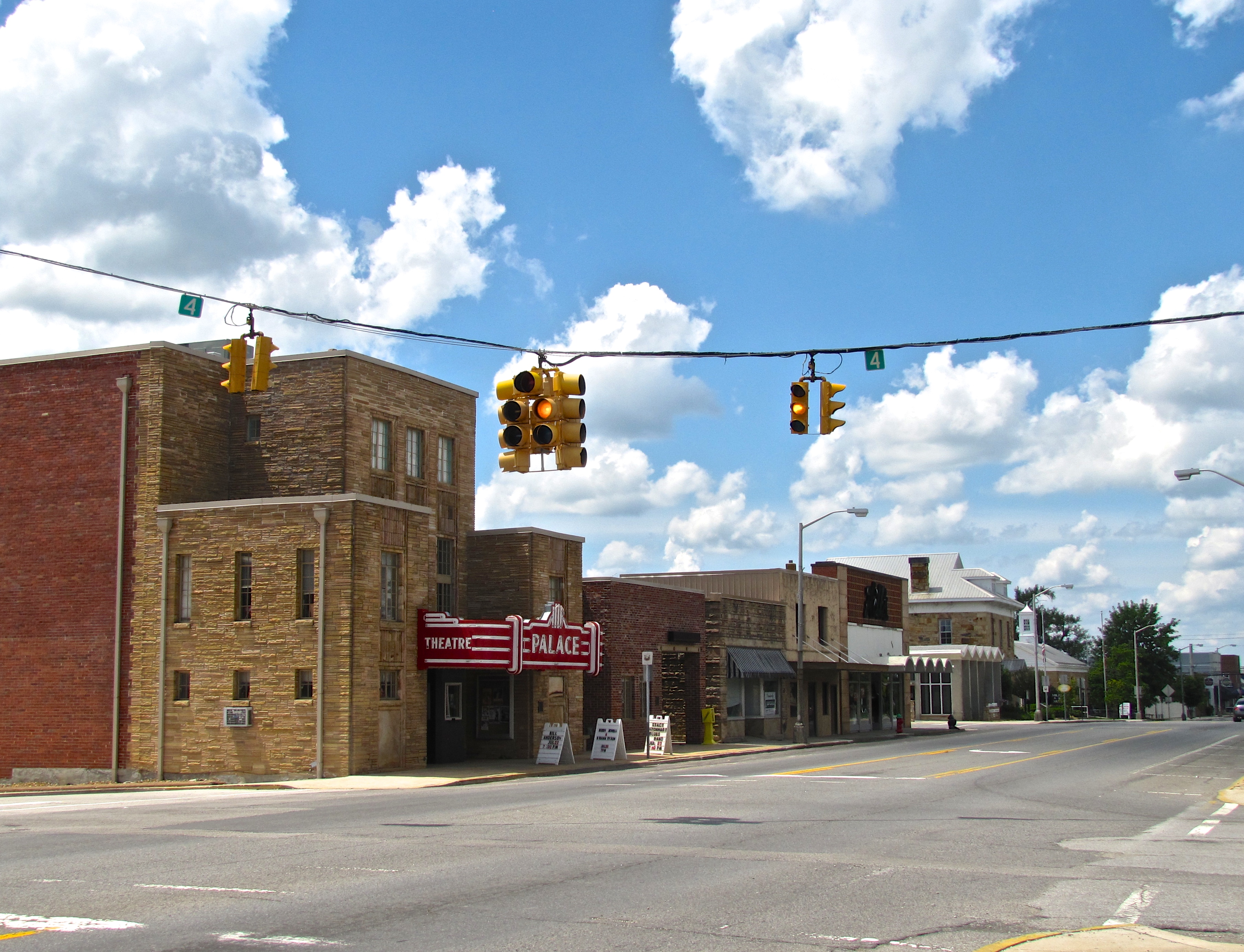

Overview of Crossville
Crossville is a city in and the county seat of Cumberland County, Tennessee, United States. It is part of the Crossville Micropolitan Statistical Area. The population was 12,071 at the 2020 census.
Want to know if a property in Crossville is a good investment?
Enter an address to get instant revenue potential and comps.