
Savannah, Tennessee
Want to see how Savannah compares to other top cities in Tennessee? Explore all city regulations in Tennessee. →
Savannah, TN
Generally Investor Friendly
Local STR Agent
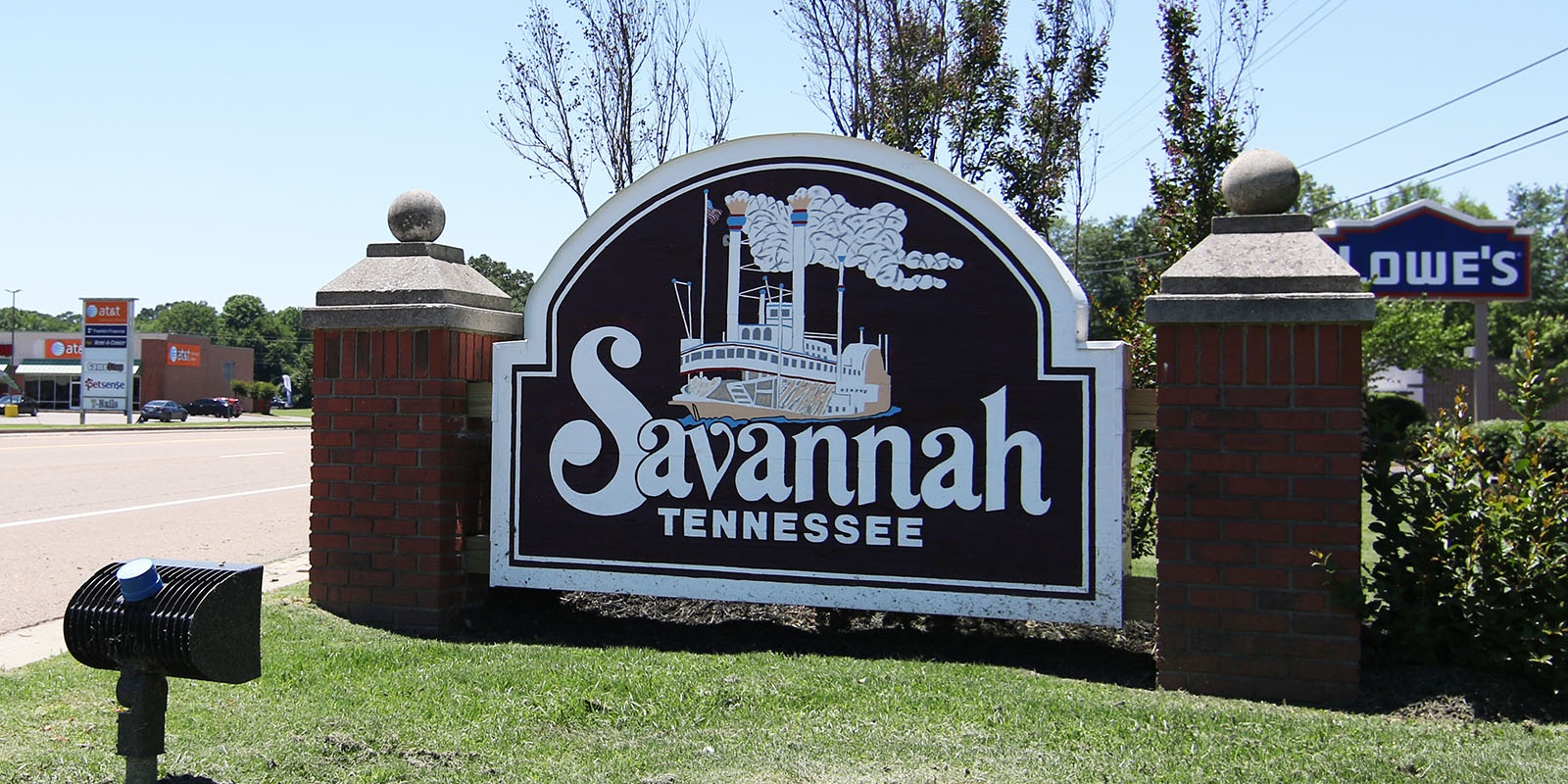
STR Regulations for Savannah, Tennessee
Overview: Are short-term rentals allowed in Savannah, TN?
- City-level STR rules and a dedicated STR permitting/licensing process are not found in the provided city materials. The official zoning ordinance for Savannah, TN does not define or regulate “short-term rentals” or “transient occupancy” at the city level. The only explicit lodging use in residential districts is “Bed and Breakfast Inn” (B&B) under certain conditions in R‑1 and R‑2, and a B&B bed-and-breakfast is also permitted in R‑1A as a use on appeal.
- Because an STR is not prohibited by the zoning code, and lodging uses exist as permitted uses (B&B), it is reasonable to conclude that an STR-type use may be permissible depending on zoning compliance, life-safety standards, and general business licensing. However, the city has not published STR-specific rules, so confirm with the Building/Code Enforcement/Zoning Department before committing capital.
Important note: If a property is within the Downtown Savannah Historic District overlay, confirm overlay rules directly with city zoning staff (a historic district overlay may impose additional occupancy, signage, or design standards even if the base zoning allows lodging uses).
How to start a short-term rental business in this market
- Step 1 — Confirm zoning eligibility
- Verify the subject property’s zoning district allows lodging uses. The zoning ordinance lists multiple residential zoning districts (R‑1A, R‑1, R‑2, R‑3, R‑4) and defines permitted lodging uses including:
- R‑1A (Low Density Detached Residential) and R‑1 (Low Density Residential): “Bed and Breakfast Inn” is a permitted use on appeal, typically with conditions such as owner‑occupancy, a maximum of six (6) guest rooms, one parking space per guest room, a small on‑site sign, and compliance with all life-safety and zoning standards. Also, a detailed site plan showing building location, parking, and relationship to adjoining properties is required.
- R‑2 (Medium Density Residential): “Bed and Breakfast Inn” is allowed with similar conditions as in R‑1 and R‑2 (owner‑occupancy, up to six (6) rooms, one parking space per room, etc.).
- R‑3/R‑4: Lodging uses may be permissible as multi‑family or “multiple‑family” residential types; however, B&B is not explicitly listed as a permitted or use-on-appeal in the excerpts provided. Confirm with zoning staff whether lodging-type uses are allowed in these districts.
- If you intend a use similar to a B&B (owner-occupied STR renting fewer rooms) or a transient lodging use, the property should be screened against the zoning district’s “uses permitted” and “uses permitted on appeal” before proceeding. The zoning ordinance allows a “Bed and Breakfast Inn” in specific residential districts, often only within the designated historic district.
- Verify the subject property’s zoning district allows lodging uses. The zoning ordinance lists multiple residential zoning districts (R‑1A, R‑1, R‑2, R‑3, R‑4) and defines permitted lodging uses including:
- Step 2 — Building, life-safety, and fire code compliance
- Ensure the building is constructed and maintained in accordance with the adopted building, life-safety, and fire codes. Prioritize:
- Egress and occupancy limits consistent with the building’s room count and sleeping layout.
- Smoke detection, carbon monoxide detection, and fire suppression where required.
- Posting of maximum occupancy and an exemplar rental agreement at the STR.
- Bed and Breakfast requirements noted in the ordinance include:
- Owner‑occupancy of the dwelling.
- External appearance consistent with neighborhood character.
- Limited signage (not larger than 2 ft x 2 ft).
- Off‑street parking: at least one space per guest room, in addition to residential parking.
- Ensure the building is constructed and maintained in accordance with the adopted building, life-safety, and fire codes. Prioritize:
- Step 3 — Business licensing and operations
- Obtain the required city business license/privilege license and any applicable sales/use tax account numbers.
- Prepare an exemplar rental agreement documenting occupancy limits, parking rules, quiet hours, waste disposal, and local regulations, and post it in the STR property as required.
- Maintain proof of general liability insurance appropriate for a lodging operation and meet all commercial general liability and property insurance standards required by lenders, platforms, and insurers. A high coverage limit is recommended.
- Step 4 — Taxes
- Register and remit state and local taxes, including:
- State sales tax and possibly sales tax on gross rental receipts.
- Tennessee lodging tax (commonly administered as the state sales tax on the lodging rate) and any applicable local hotel/motel taxes or sales taxes.
- If a vacation rental platform is used, the platform may be required to collect and remit occupancy taxes on behalf of the host; confirm the platform’s tax collection status and requirements.
- Requirements can change; confirm the exact rate and remittance process with the Tennessee Department of Revenue and any local tax administrator for Hardin County and/or the City of Savannah, TN.
- Register and remit state and local taxes, including:
- Step 5 — Ongoing compliance
- If a change in rental agent occurs, you must notify the city within five business days (note: the STR-specific form referenced for Savannah, GA does not apply to Savannah, TN).
- Provide and publish an exemplar rental agreement to every guest and post it in the unit.
Required documents, permits, licenses, and guidelines
- Zoning confirmation
- Property owner’s verification of zoning district eligibility and overlay status (e.g., Historic District overlay).
- A detailed site plan for any B&B lodging operation:
- Principal building location.
- Off‑street automobile parking layout.
- Relationship to adjoining properties and surrounding land uses.
- Existing zoning of the site and any required screening.
- Building/life-safety
- Certificates of occupancy, inspections, and compliance with adopted building codes.
- Posted maximum occupancy.
- Business licensing
- City business license/privilege license.
- State of Tennessee sales/use tax registration.
- Tennessee lodging tax registration as applicable.
- Insurance and operations
- Proof of general liability insurance.
- Posted exemplar rental agreement covering occupancy, parking, quiet hours, and local rules.
- Adjacent‑owner notification is an STR application requirement for the City of Savannah, GA; it is not a formal requirement in Savannah, TN unless the city adopts such policy—always consult city staff to be certain.
- Condominiums (if applicable)
- If the STR is in a condominium, obtain and review the recorded condominium declaration for any explicit prohibition on short‑term leasing (less than 30 days) or explicit permission for such leasing.
Specific regulations (city/county/state)
- City of Savannah, TN
- No published, STR-specific permitting or licensing process. Zoning code permits “Bed and Breakfast Inn” in certain residential districts (typically Historic District) with conditions such as owner‑occupancy, up to six guest rooms, parking ratio of one space per guest room, and site plan requirements. No explicit language defines or regulates “short‑term rentals” or “transient occupancy.”
- Off-street parking minimums:
- Tourist accommodations (lodging uses): at least one (1) space for each room or unit offered.
- General off‑street parking provisions apply to all uses; ensure access, width, and separation standards are met.
- County (Hardin County, TN)
- No county-specific STR rules are provided in the source materials. County tax and licensing roles may be minimal for lodging; confirm any local lodging or business tax registration with the county tax administrator and/or state resources.
- State of Tennessee
- Tennessee does not provide a city-specific STR statute in the cited materials. STR hosts typically must:
- Register with the Tennessee Department of Revenue (sales/use tax on short‑term rentals).
- Collect and remit lodging taxes, which generally include state sales tax on the lodging rate and any local hotel/motel taxes.
- Meet state life-safety and building code standards for lodging.
- Note: State laws, registration, and tax rates can change; verify current obligations with the Department of Revenue and any local tax authority.
- Tennessee does not provide a city-specific STR statute in the cited materials. STR hosts typically must:
Occupancy and parking
- If the property is operated as a B&B (owner‑occupied lodging), the city’s ordinance specifies:
- Occupancy limits tied to the number of guest rooms and parking availability (one parking space per guest room in addition to residential parking).
- Compliance with maximum occupancy posted inside the unit.
- Where a B&B is not the model (e.g., an STR renting an entire dwelling), life-safety and building code standards control occupancy limits and egress; zoning may govern whether the use is permissible and the intensity of lodging operations.
Advertising and notifications
- STR advertising obligations in Savannah, GA require publishing the certificate number and exemplar rental agreement in every listing. Savannah, TN does not publish an equivalent requirement; still, hosts should publish occupancy, parking rules, and booking terms clearly.
- Change of rental agent: Savannah, GA mandates notifying the city within five business days of any agent change; Savannah, TN has no equivalent published provision. Confirm with city staff to determine if city policy requires similar notification.
Contact information (local authority in charge of STRs)
- City of Savannah (General)
- Physical address: 400 N. Pickwick Street, Savannah, TN 38372
- Mailing address: P.O. Box 400, Savannah, TN 38372
- Phone: (731) 925‑4000
- Website: www.savannahtn.gov/
- Building/Zoning/Code Enforcement
- The zoning ordinance establishes the Municipal Planning Commission and sets zoning procedures. However, the city has not published a dedicated STR contact. Direct inquiries to the Building Department, Zoning/Planning Department, or City Manager’s Office to confirm zoning eligibility, lodging use allowances, and any business license requirements:
- Recommended action: Call the city and ask for the Zoning/Building/Code Enforcement department or the City Manager’s Office, referencing the Municipal Planning Commission and Zoning Ordinances provided above.
- Hardin County/State tax contacts (for confirmation of lodging and sales tax)
- Tennessee Department of Revenue (general lodging/STR tax guidance): online at revenue.tn.gov
- Hardin County tax office (local lodging and business taxes): contact the county assessor/collector or the state’s local government division for current local lodging tax information.
Links to source pages
- Official Zoning Ordinance — Savannah, TN (PDF): cityofsavannah.org/images/zoning-regs.pdf
Disclaimer
- This guide synthesizes the provided city zoning ordinance and does not constitute legal advice. Tennessee law and local ordinances can change. Always verify eligibility and compliance directly with the City of Savannah (Building/Zoning/Code Enforcement), the Tennessee Department of Revenue, and any applicable local tax administrator before operating an STR.
Savannah
Market Saturation Score
Photos of Savannah

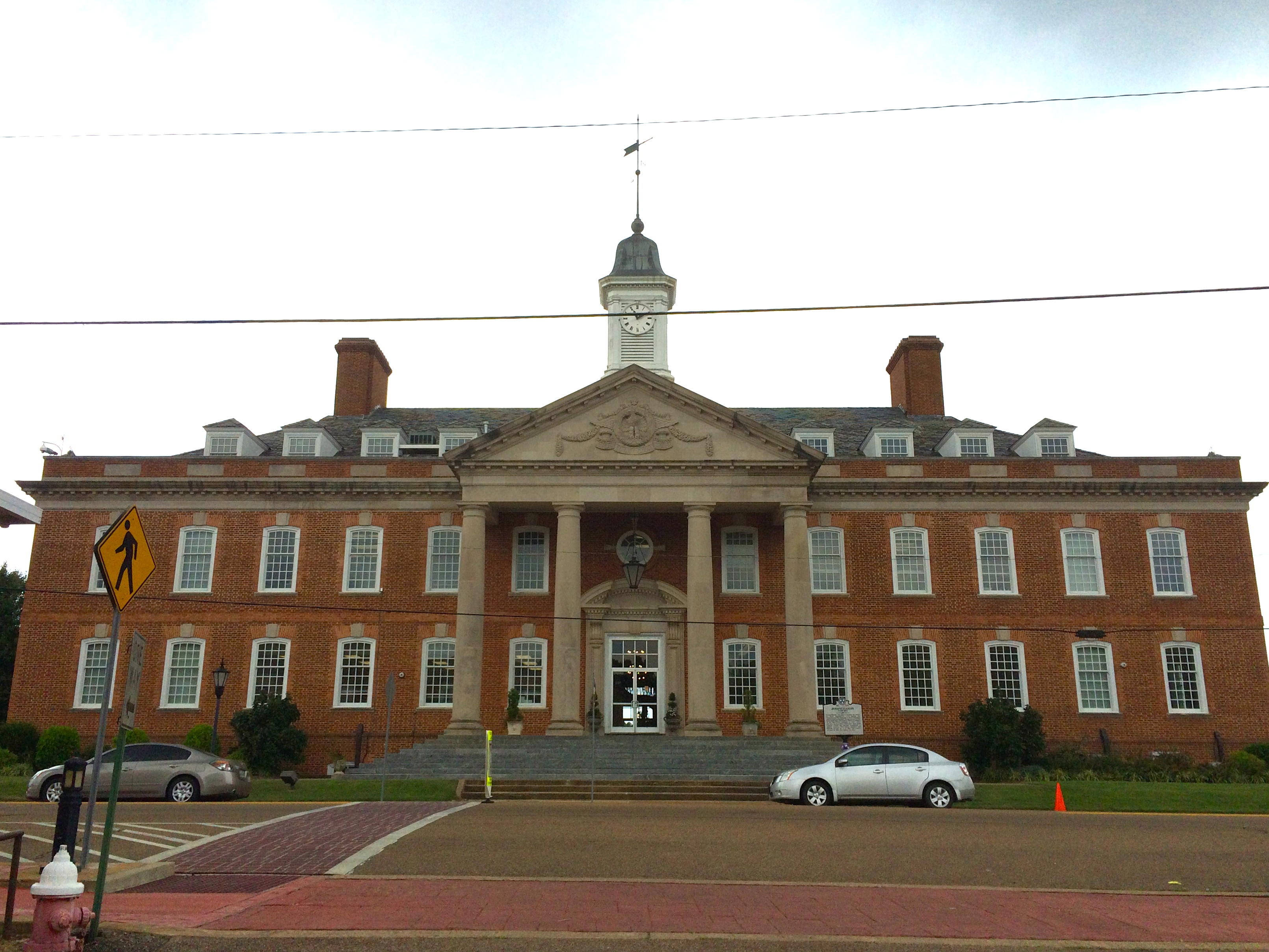
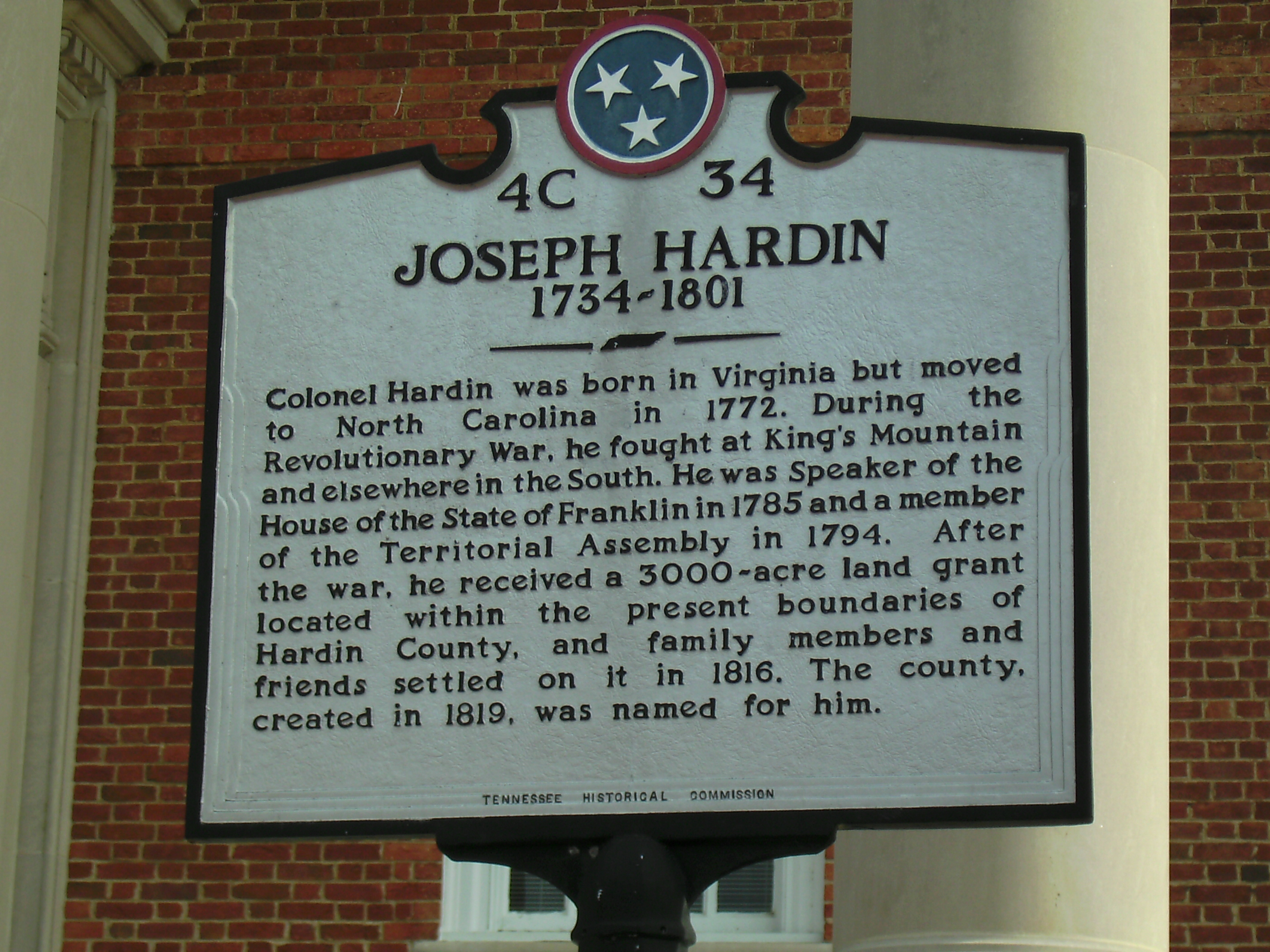
Overview of Savannah
Savannah is a city in and the county seat of Hardin County, Tennessee, United States. The population was 7,213 at the 2020 census. Savannah is located along the east side of the Tennessee River. Savannah hosted the NAIA college football national championship game from 1996 to 2007, and is home to several places of historical significance, including the Cherry Family Mansion.
Want to know if a property in Savannah is a good investment?
Enter an address to get instant revenue potential and comps.