
Wills Point, Texas
Want to see how Wills Point compares to other top cities in Texas? Explore all city regulations in Texas. →
Wills Point, TX
Very Investor Friendly
Local STR Agent
STR Regulations for Wills Point, Texas
Note: The sources provided do not contain city- or county-specific STR ordinances for Wills Point, TX. The guidance below therefore focuses on the state-level framework and clearly marks any areas that require local verification. When sources reference other cities in Texas, they are included only as context for how Texas municipalities regulate STRs. Investors should verify any local requirements with the City of Wills Point and Van Zandt County before launching.
Are Short-Term Rentals Allowed in Wills Point, TX?
Short-term rentals are not expressly prohibited in the material provided for Wills Point, TX. The absence of city- or county-specific STR rules in the sources means STR operation appears permitted at present, subject to:
- State of Texas hotel occupancy tax (HOT) obligations (see “State-level regulations” below).
- Verification of any local HOT, permits, or zoning rules with the City of Wills Point and Van Zandt County.
- Private land-use restrictions (e.g., HOA or condominium covenants), which may limit or prohibit STRs. Important: Because local rules can change quickly and are not present in the provided sources, treat this as a permissive starting point and confirm current conditions with local authorities.
How to Start a Short-Term Rental Business in This Market
- Select a compliant property.
- Confirm zoning allows transient lodging. If the property is in an HOA or condo, review covenants for “residential use only,” “no commercial use,” and any STR provisions. The case-law trend in Texas and elsewhere is that short-term rentals often do not violate “residential use only” covenants, but operating in a commercial fashion (LLC, frequent advertising, frequent guest turnover, substantial income, registering as a “hotel,” collecting taxes as a lodging provider) increases the risk that such use will be deemed a prohibited commercial activity. Investors should obtain written HOA guidance before purchase. See also the Private Land-Use Controls section below.
- Choose your operating model.
- Owner-occupied versus non-owner-occupied: Some Texas cities differentiate rules by occupancy. No Wills Point-specific data is provided—confirm with the city.
- House rules: Establish quiet hours, occupancy limits, parking restrictions, smoking/vaping rules, pets, parties/events policy, trash and sanitation schedules, and local amenity usage (e.g., lakes/parks).
- Launch on platforms.
- List on major platforms (Airbnb, Vrbo, Booking.com, etc.). Ensure your listing is compliant with the platforms’ policies and Texas law (e.g., safety disclosures, tax collection agreements).
- Prepare operations.
- Develop professional cleaning, maintenance, and guest communication workflows; consider smart home tech (smart locks, noise monitoring, security cameras—follow platform rules and state privacy laws).
- Assemble a house manual and emergency contacts.
- Pricing and occupancy.
- Data in the provided sources for Wills Point suggests typical monthly revenue in the $1,000–$2,000 range with seasonal occupancy shifts. Treat this as a directional estimate only; conduct local market analysis and dynamic pricing.
Required Documents, Permits, Licenses, and Guidelines (State-Level)
- Texas Hotel Occupancy Tax (HOT) Permit
- Texas levies a 6% HOT on the price of room rentals of 30 days or less. Register for a HOT permit with the Texas Comptroller and remit taxes monthly/quarterly depending on volume. Detailed guidance and registration are available through the Comptroller’s website. Note: A local HOT may also apply (see “Local regulations” below).
- Sales and Use Tax
- If taxable services (e.g., cleaning fees or amenity charges) are provided, a Texas sales tax permit may be required. Confirm applicability with the Comptroller.
- Safety and Health Standards
- Although not codified in the provided sources, Texas hosts must comply with general property safety and health standards. Ensure working smoke and CO detectors, safe egress, fire extinguishers, and clear house rules. Consider local fire code inspections if required.
- Local zoning and building compliance
- Confirm with the City of Wills Point (and, if applicable, Van Zandt County) whether any building or business licenses are needed for transient lodging, off-street parking standards, or other local rules.
- Lodging taxes filing
- File and remit state HOT (and any applicable local HOT) per Comptroller guidance. Maintain clear records of guest stays, rates, exemptions, and remittances.
- Insurance
- Maintain appropriate property and liability coverage. Platforms often provide limited damage coverage; obtain your own policy for gaps. Consider commercial coverage if operating at scale.
Specific Regulations for Short-Term Rentals: City, County, and State
- City of Wills Point
- No city-specific STR ordinances were found in the provided sources. Verify with the City whether a registration/permit process, local HOT, or zoning restrictions apply.
- Van Zandt County
- No county-specific STR ordinances were present in the provided sources. Confirm any local HOT or requirements with county offices.
- State of Texas (TX)
- Hotel Occupancy Tax: 6% state HOT applies to transient stays of 30 days or less. Register and remit via the Texas Comptroller (see link in “Local Authority Contacts” below).
- Local Hotel Occupancy Taxes: Some Texas municipalities/counties impose an additional HOT. Confirm whether Wills Point or Van Zandt County has a local HOT rate and filing procedures.
- Legislative and municipal context: Municipalities across Texas regulate STRs in diverse ways—permitting, inspections, density caps, bans/non-owner-occupied restrictions, HOT collection—often facing legal challenges. This underscores the importance of verifying current local rules in Wills Point before launch.
- Private land-use controls (HOA/condo)
- Covenants restricting use to “residential purposes” or prohibiting “commercial use” are common. Courts often conclude short-term rentals do not violate “residential use only” absent specific duration prohibitions. However, operations that clearly resemble a lodging business (frequent turnover, advertising, income generation, business entity, hotel registration, and tax collection) may be deemed “commercial” and prohibited. Investors should review covenants carefully and obtain written HOA guidance. See the NLRG legal analysis in “Private Land-Use Controls” below.
Local Authority Contacts (Phone, Email, Website)
Because the sources do not provide a designated STR contact for Wills Point, investors should reach out to the City and the Texas Comptroller for authoritative guidance.
- Texas Comptroller of Public Accounts — Hotel Occupancy Tax
- Website ( HOT guidance, permit registration, and filing ): comptroller.texas.gov/taxes/hotel/
- Phone and other contacts: comptroller.texas.gov/contact/
- Texas Hotel & Lodging Association (statewide lodging advocacy and resources)
- Phone: 512-474-2996
- Email: thla@texaslodging.com
- Office: 1701 West Avenue, Austin, TX 78701
- Website: texaslodging.com
- City of Wills Point, Texas
- No STR-specific contact was found in the sources provided. Contact the City Secretary or Planning/Zoning Department to confirm local permits, zoning, and any local HOT.
- Website (for contact lookup): willspointtx.us
- Van Zandt County
- No STR-specific contact was found in the sources provided. Contact county offices to verify any local HOT or other lodging-related requirements.
- Website (for contact lookup): vanzandtcounty.texas.gov
Links to Source Pages
- Checkmate Rentals — Wills Point Airbnb management page: www.checkmaterentals.com/airbnb-management/wills-point-texas
- Texas Hotel & Lodging Association — Short-Term Rental (STR) Update 2018: texaslodging.com/short-term-rental-str-update-2018/
- National Legal Research Group (NLRG) — Short-Term Rentals and HOA “Residential Use Only” Covenants: www.nlrg.com/legal-content/the-lawletter/property-short-term-rentals-and-hoa-residential-use-only-covenants
- St. Mary’s Law Journal (resource list only; specific STR content not used): commons.stmarytx.edu/cgi/viewcontent.cgi?article=1122&context=thestmaryslawjournal
Private Land-Use Controls (HOA/COA) and Their Impact
- Many covenants predating the STR era restrict “residential use only” or prohibit “commercial use.” The majority view nationally (and in Texas case law) is that these covenants do not automatically prohibit STRs unless they specify duration or expressly prohibit all rentals.
- However, courts have found STRs violate “commercial” restrictions when the owner operates the property as a lodging business (frequent advertising, substantial guest turnover, business entity formation, hotel registration, collecting lodging taxes). Frequency and income are often dispositive.
- Practical guidance:
- Review all covenants, bylaws, and rules before purchasing.
- If a covenant mentions “short-term rentals,” “transient occupancy,” or duration caps, follow them strictly.
- If covenants restrict “commercial use,” avoid operating in a businesslike manner (e.g., LLC with business insurance, formal lodging registration, aggressive marketing as a hotel), and keep stays longer if possible, subject to HOT implications.
- Obtain written HOA guidance. Even where STRs are allowed, associations may adopt rules governing parking, noise, trash, or signage that still impact operations.
Practical Compliance Checklist
- Register for Texas HOT and remit taxes on schedule.
- Verify with the City of Wills Point whether local HOT applies; file if required.
- Confirm zoning and whether any local permits/licensing are needed.
- Review HOA/condo covenants; obtain written approvals or confirm no-prohibition status.
- Implement safety standards and clear house rules.
- Maintain accurate records for taxes and guest stays.
- Align platform listings with Texas law and platform policies (e.g., quiet hours, occupancy limits, party/events bans).
Action Items Before You Buy or List
- Call/email the Texas Comptroller to confirm HOT registration steps.
- Contact the City of Wills Point (Secretary/Planning) to verify no local STR permit, local HOT, or zoning constraints exist.
- Ask Van Zandt County about any local HOT or lodging-related requirements.
- Review any HOA/condo covenants with counsel and request written guidance from the association.
Disclaimer: This guide synthesizes information from the provided sources and flags areas requiring local verification. It is not legal advice. Regulatory frameworks evolve; confirm current rules with the Texas Comptroller, the City of Wills Point, Van Zandt County, and your legal advisor before operating.
Wills Point
Market Saturation Score
Photos of Wills Point



Overview of Wills Point
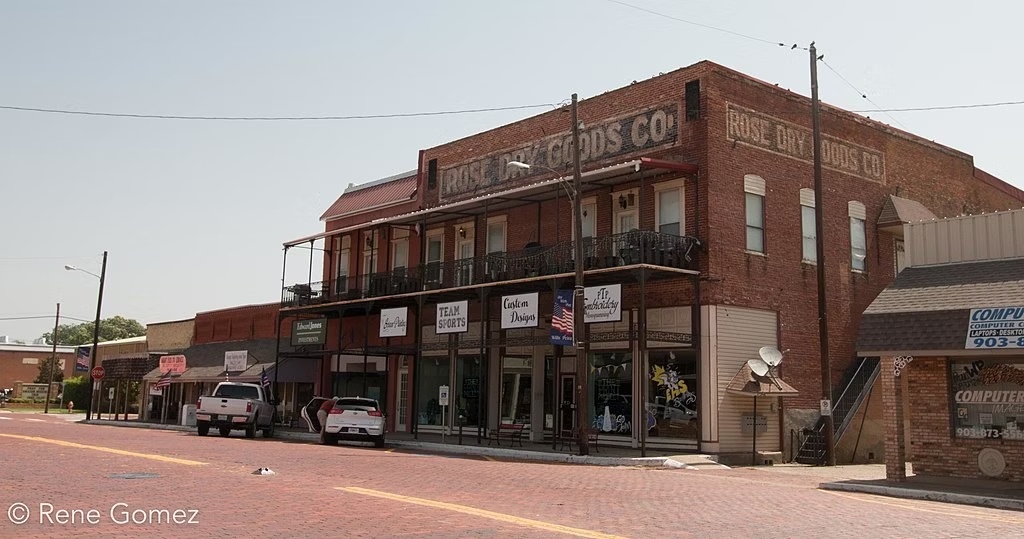
Wills Point is a city in Van Zandt County, Texas, United States. The population was 3,747 at the 2020 census.
Want to know if a property in Wills Point is a good investment?
Enter an address to get instant revenue potential and comps.