
Warrens, Wisconsin
Want to see how Warrens compares to other top cities in Wisconsin? Explore all city regulations in Wisconsin. →
B
Warrens, WI
Generally Investor Friendly
Local STR Agent
Warrens STR Expert
STR Regulations for Warrens, Wisconsin
Overview and Bottom Line
- Allowed status: Short‑term rentals are not expressly defined in the Village’s zoning ordinance, and no STR‑specific permit or license is identified in the provided documents. That said, STR‑type operations can be lawful under specific pathways:
- Bed and Breakfast Inns are allowed in the R‑1 Residential District only as a conditional use (requires Village Planning Committee approval).
- Hotels, motels, motor lodges, and inns are permitted by right in the Business (B) District.
- Rentals of dwelling units for fewer than 30 days can be lawful under the definition of a “lodging house” permitted in the B District.
- “Boarding house” is defined and regulated; a boarding house that provides lodging for compensation is a permitted use in the B District and requires a signage plan for Type 5 on‑premise business signs.
- R‑2 (multi‑family) zoning allows “three or more unit dwellings” but does not expressly classify transient rentals of single units as a permitted principal use.
- Practical implication for STR investors: Your viability hinges on the zoning classification of the property and the operation model:
- Business District: Strongest, most straightforward path for most STRs (as lodging house, boarding house, or inn/hotel).
- R‑1 Residential District: Only viable via conditional use as a Bed and Breakfast Inn (owner‑occupied, residential setting), typically with tighter operating controls and neighbors nearby.
- R‑2 Residential District: Multi‑family residential is permitted, but a single‑unit transient rental is not expressly authorized; proceeding here would require careful analysis or a variance/interpretation from the Zoning Board of Appeals and the Planning Committee.
Important caveats
- The documents include no STR‑specific licensing, taxation, registration, or safety requirements (e.g., no indication of a Wisconsin DRL and lodging tax registration, no fire/life‑safety or inspection regimes specific to STRs, and no municipal STR permit). Those regimes may exist under Monroe County or the State, but they are not present in the provided materials.
- Occupancy and tenant limits apply to all dwellings: you may not lease to more than five unrelated persons living together as a single housekeeping unit with common cooking facilities (ten if it is a licensed foster home).
- Off‑street parking, setback, signage, and performance standards still apply to STR uses.
How to Start an STR in Warrens
- Confirm zoning and permitted pathway
- For a single‑family home or duplex in R‑1: STR is not expressly permitted. Your only clear pathway is a conditional use approval as a Bed and Breakfast Inn.
- For a property in R‑2: If your concept is a multi‑unit building (three or more units) for transient occupancy, you must analyze whether that aligns with the ordinance’s intent; because “dwelling” and “dwelling unit” are defined, you should seek an interpretation from the Planning Committee/Zoning Board of Appeals before investing.
- For a property in B (Business District): Proceed as a lodging house, boarding house, or inn/hotel. These are expressly authorized in the Business District.
- Submit building and zoning permits (as applicable)
- A zoning permit is required for any change of use. STR‑type uses (lodging house, boarding house, bed and breakfast, inn/hotel) are “uses” that must be established in conformance with the zoning district and the general provisions.
- File a building permit application (duplicate) to the Village Clerk, including:
- Names/addresses of applicant, owner, architect/engineer/contractor.
- Site description (lot/block/subdivision or metes and bounds), address, structure type, existing and proposed use, number of employees, and zoning district.
- Plat plan or survey showing site boundaries; locations of existing/proposed structures; easements; streets/public ways; off‑street parking and loading areas/driveways; highway access restrictions; street/side/rear yards; and use of abutting lands/structures within 40 feet.
- Sewage disposal plan (if municipal sewer unavailable) with written certification from a competent authority that disposal will meet health requirements.
- Water supply plan (if municipal water unavailable) with written certification.
- Any additional information required by the Village.
- Decision timeline: The Village Clerk must grant or deny the building permit within 30 days. Permits expire within nine months unless substantial work has commenced.
- Conditional Use (R‑1 Bed and Breakfast)
- If operating as a Bed and Breakfast in R‑1, apply for conditional use approval from the Village Planning Committee. The Committee will review site, architecture, neighboring uses, parking, access, traffic, drainage, water/sewer, and operations; they may impose conditions (landscaping, design controls, sureties, lighting, fencing, hours, operation, deed restrictions).
- Plan operations and compliance
- Off‑street parking: Provide stalls sized at least 180 sq ft each, at the same lot as the principal use or within 200 feet. Screening is required for parking areas with five or more vehicles located in residential districts or within 25 feet of R‑1/R‑2.
- Parking minimums: For hotels, motels, lodging, and boarding houses, provide 1 stall per guest room plus 1 stall per 3 employees. This is the controlling benchmark for most STRs operating as lodging/boarding in the B District.
- Setbacks and yards: Meet district standards (see table below).
- Signage: If operating as a boarding house or lodging in the B District, you may install Type 5 on‑premise signs advertising the business, with a maximum of 40 sq ft gross area, not exceeding four feet above the roofline or district maximum height, and subject to a permit for external signs.
- Performance standards: Manage sound, vibration, odors, glare/heat, and electrical disturbances to avoid nuisances to neighbors.
- Maintain lawful status
- If any proposed STR use is not clearly aligned with a permitted principal/conditional use, request an interpretation from the Zoning Board of Appeals or seek a variance through the formal processes.
- Do not violate occupancy limits (five unrelated persons sharing common cooking facilities) or create nuisances.
Documents, Permits, Licenses, and Guidelines
- Zoning permit/building permit (Village Clerk)
- When required: Any change of use or new STR operation; changes to structure or site.
- Submission: Duplicate application with site plan, sewage/water certifications (if off municipal systems), and any additional information required.
- Expiration: Nine months unless substantial work has commenced.
- Conditional Use (R‑1 Bed and Breakfast)
- Review body: Village Planning Committee.
- Conditions: May include landscaping, architectural controls, lighting/fencing, hours, traffic/parking, deed restrictions.
- Signs
- For B District lodging/boarding uses: Type 5 on‑premise sign allowed (max 40 sq ft; permit required for external sign).
- For home occupations (if pursued instead): Type 2 sign, max 4 sq ft, attached to building, indirect lighting, no permit required.
- Utilities and site planning
- Ensure compliant driveway widths: at least 12 ft for one- and two‑family dwellings (16 ft if accessing a state highway); at least 24 ft in other districts; max 35 ft.
- Provide loading spaces if applicable (e.g., lodging/boarding operations); each loading space must be at least 12 x 35 ft with 14 ft vertical clearance; loading must be off public ways.
- Health (septic/water) certifications
- Required if municipal sewer/water not available: submit proposed plans with written certifications from competent authorities.
Warrens Zoning Controls Most Relevant to STRs (Selected)
- R‑1 Residential District
- Principal permitted: Single‑ and two‑family homes; home occupations/professional home offices.
- Conditional uses: Bed and Breakfast Inns (plus specified public/semipublic uses and structures on slopes ≥20%).
- Minimum lot area: 9,000 sq ft per dwelling unit; lot width: 75 ft; height: max 35 ft; lot coverage: max 50%.
- Yards (typical): Front—50 ft from centerline or 17 ft from ROW (whichever greater); rear—20 ft; side—10 ft (principal structures), 5 ft (accessory).
- R‑2 Residential District
- Principal permitted: Three or more‑unit dwellings; home occupations; neighborhood parks/playgrounds; parking/loading areas.
- Conditional uses: Structures on slopes ≥20%; specified public/semipublic uses; other Section 4.0 uses.
- Minimum lot area: 3,500 sq ft per dwelling unit; lot width: 100 ft; height: max 35 ft; lot coverage: max 60%.
- Yards (typical): Front—50 ft from centerline or 17 ft from ROW; rear—25 ft; side—10 ft (principal), 5 ft (accessory).
- B Business District
- Principal permitted: “Hotels, motels, motor lodges, and inns” and related lodging/boarding uses; extensive retail, services, offices; parking/loading areas.
- Accessory: Residential as part of a principal business structure; essential services.
- Conditional: Drive‑ins; residential as a principal use; slopes ≥20%; churches/preschools.
- Minimum lot area: 5,000 sq ft; height: max 50 ft (45 ft adjacent to residential districts).
- Yards (typical): Front—15 ft from Village ROW; side—15 ft when adjacent to residential (otherwise none); rear—20 ft when adjacent to residential (otherwise none).
- I Industrial District
- Permitted: Manufacturing, processing, assembly, warehousing; wholesale.
- Conditional: Structures on slopes ≥20%; Section 4.0 uses.
- Note: Not ideal for lodging operations; apply only if the broader development concept aligns with industrial intent.
- A Agriculture District
- Not suited for transient lodging; includes farming operations, farm dwellings, and limited farm‑related enterprises.
- C Conservancy District
- Protects sensitive natural areas; most structures prohibited; not appropriate for lodging.
Specific Regulations Applicable to STRs in Warrens
- Uses and districts
- Bed and Breakfast Inns: R‑1 only, conditional use (requires approval by Planning Committee).
- Hotels/motels/inns: B District principal permitted.
- Lodging/boarding houses: B District principal permitted; for any boarding house, a signage plan should address Type 5 on‑premise signs.
- Occupancy/tenants
- Unlawful to lease to more than five unrelated persons living together as a single housekeeping unit and sharing common cooking facilities (ten if a licensed foster home).
- Off‑street parking
- 1 stall per guest room plus 1 stall per 3 employees (hotels/motels/lodging/boarding houses).
- Parking spaces must be at least 180 sq ft each; provide adequate access to a public street; located on the same lot or within 200 feet.
- Screening required for parking areas with ≥5 vehicles if located in residential districts or within 25 feet of R‑1/R‑2 (opaque fence 6 ft high or evergreen hedge/shrubs achieving 6 ft within 5 years).
- Parking on lawns
- Licensed vehicles may park on lawns; junked automobiles or parts outdoors are prohibited.
- Setbacks and access
- Driveway widths: 12 ft (one‑ and two‑family dwellings); 16 ft where accessing state highways; 24 ft in other districts; max 35 ft.
- No direct private access to highways without permission of the controlling agency; no access within 130 ft of intersecting arterial centerlines or 80 ft of intersecting collector/local‑arterial centerlines.
- Loading areas
- Provide off‑street loading for lodging/boarding operations to keep all maneuvering off public ways; minimum space 12 x 35 ft with 14 ft vertical clearance.
- Signs
- Business District lodging: Type 5 sign (on premise) allowed; max 40 sq ft; up to 4 ft above roofline; permit required for external signs.
- Home occupations: Type 2 sign; max 4 sq ft; attached; indirect lighting; no permit.
- Performance standards
- Control sound, vibration, odors, glare/heat, and electrical disturbances to avoid nuisances to adjacent properties.
- Variance/appeals
- If an STR use is not clearly authorized, request interpretation from the Zoning Board of Appeals or pursue variance following Section 11.0 processes.
State‑Level Considerations (Wisconsin)
- The ordinance cites Wis. Stat. §§ 61.35, 62.23, and 87.30 as authorities. The statutory framework provides the legal basis for municipal zoning and administration but the documents provided do not include state‑specific STR registration, taxation, or safety mandates. Ensure separate compliance with any state or county rules that may apply (e.g., lodging taxes, registrations, and inspections), which are not detailed here.
Local Authority and Contacts (as available in provided content)
- Village Clerk (permitting, enforcement inquiries)
- Role: Receives building permit applications, issues/denies permits, conducts inspections, investigates violations, provides forms.
- Authority: Administer building and zoning permits and enforce ordinance provisions.
- Village Planning Committee
- Role: Reviews conditional uses (e.g., Bed and Breakfast), site plans, parking/access, operating conditions; conducts hearings and imposes conditions.
- Zoning Board of Appeals
- Role: Interprets unclassified/unspecified uses similar to permitted uses; considers variances; hears appeals.
- Enforcement
- Violations trigger a warning and 10‑day corrective period; penalties up to $100 plus costs per violation; each day of violation constitutes a separate offense; violators may be jailed until payment (max 30 days).
- Specific phone/email/website not provided in the ordinance documents. Investors should contact the Village Clerk’s office for current details.
Links to Source Pages (from provided content)
- 2024 Village of Warrens Zoning Ordinance (PDF): villageofwarrens.com/wp-content/uploads/2024/10/2024-VOW-ordinances.pdf
- Monroe County Zoning (if needed for context beyond Warrens): www.co.monroe.wi.us/departments/planning-and-community-development/codes-and-ordinances/
Practical Operating Checklist
- Confirm zoning first (R‑1 vs R‑2 vs B).
- Choose your lawful model (Bed and Breakfast in R‑1; lodging house/
Warrens
Market Saturation Score
Mild Saturation
4/ 12
months with declining YoY revenue
2–4 declining months: early saturation pressure - watch for trend persistence.
Photos of Warrens


Overview of Warrens
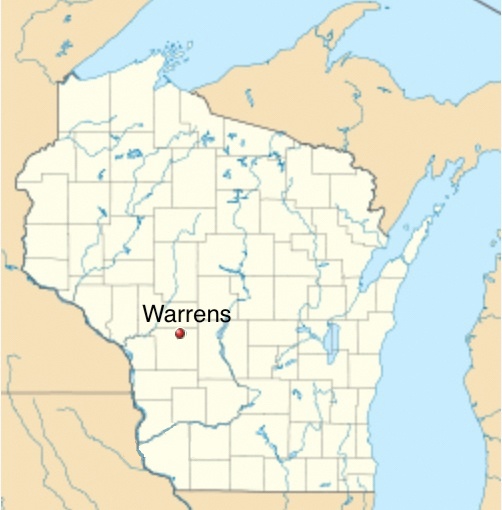
Warrens is a village in Monroe County, Wisconsin, United States off I-94. The population was 544 at the 2020 census.
Want to know if a property in Warrens is a good investment?
Enter an address to get instant revenue potential and comps.